Earth Today | Conservation trust funds a plus for the Caribbean
Loading article...
-
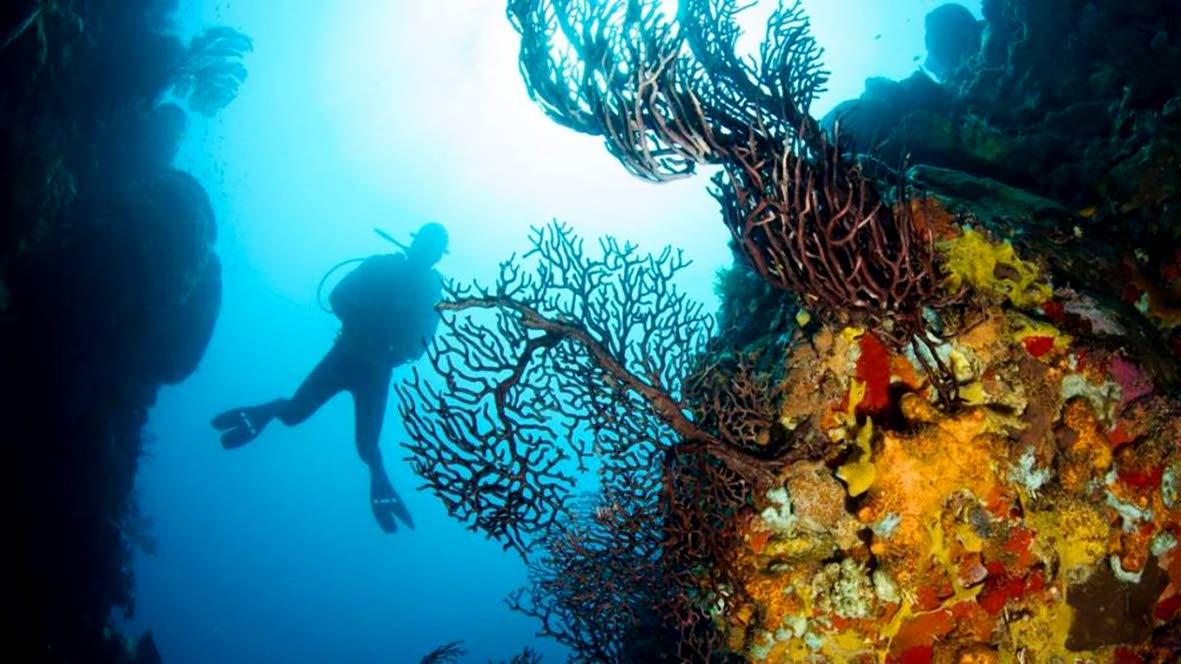 Scuba diving in Saint Lucia.
-
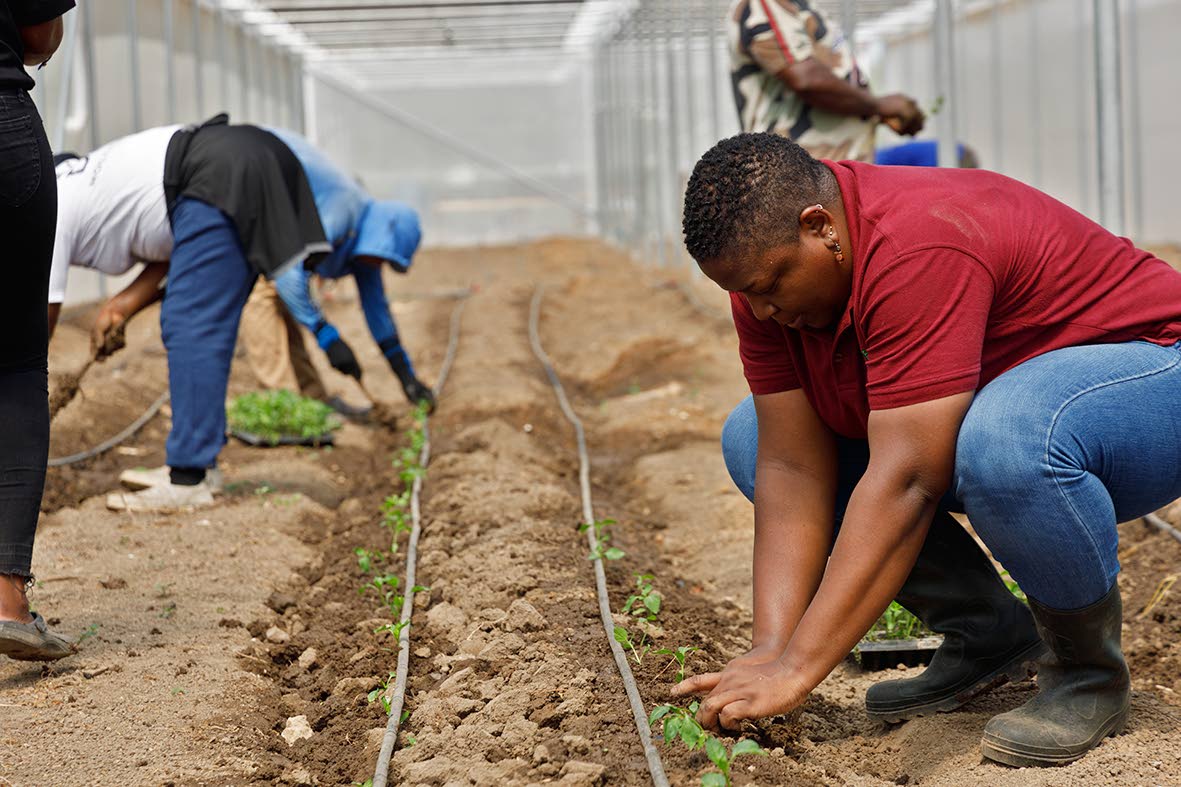 NCTFJ’s Kerry Ann Curtis plants seedlings at ISEEED Youth Nursery in Portmore, Jamaica.
THE CARIBBEAN is home to more than 1,600 globally threatened species, yet the funding required to protect them falls short.
The global biodiversity financing gap is estimated at more than USD 700 billion annually, according to the Biodiversity Finance Initiative (BIOFIN). In a region as ecologically rich and economically exposed as the Caribbean, that gap carries direct consequences for coral reefs, coastal fisheries, and the communities built around them.
According to the Conservation Finance Alliance, conservation trust funds have emerged as one of the more durable responses to that problem. Unlike project-based grants, which expire when a funding cycle ends, trust funds are designed to generate returns and sustain conservation work across decades.
The model has taken root in other biodiversity-rich regions: the Mesoamerican Reef Fund (MARFund) supports marine conservation across the Mesoamerican Reef, and the Micronesia Conservation Trust has channelled long-term financing across Pacific Island nations. The evidence from these and similar funds suggests that the structure works, particularly in regions where government budgets are constrained, and donor coordination is fragmented.
The Caribbean Biodiversity Fund, established in 2012 as the first regional Conservation Trust Fund in the Caribbean, was built on that same logic. Rather than requiring donors to negotiate separate agreements with individual governments, it offers a single-entry point spanning 14 countries, lowering transaction costs and broadening the pool of partners willing to engage. Since its founding, it has grown from six to 14 member countries and quadrupled its donor network.
What has amplified that reach is a growing network of national conservation trust funds operating at the country level. National conservation trust funds adapt the same financing model to specific local contexts, opening doors to mechanisms that a regional body cannot always access directly.
In Barbados, Belize, and The Bahamas, national funds were central to negotiating debt-for-nature swaps, converting portions of sovereign debt into binding conservation commitments. In Saint Lucia, Republic Bank EC Limited, a regional bank, has pledged approximately USD 278,000 to the Saint Lucia National Conservation Fund (SLUNCF) over five years under the framework of the Republic Bank Sustainability Fund – Saint Lucia. The SLUNCF has also partnered with the Saint Lucia Hospitality and Tourism Association to launch the Marine Health Alliance, an initiative aimed at protecting and restoring the country’s marine environments.
The biodiversity financing gap will not be closed by any single fund or mechanism. But the architecture being built across the Caribbean, through regional and national conservation trust funds working in concert, demonstrates that sustained, structured investment in nature is both possible and scalable.
Contributed by Tanja Lieuw, conservation finance program manager, Caribbean Biodiversity Fund.