Yaakov Raskin | They tried to silence our joy. Today, we dance again
Loading article...
-
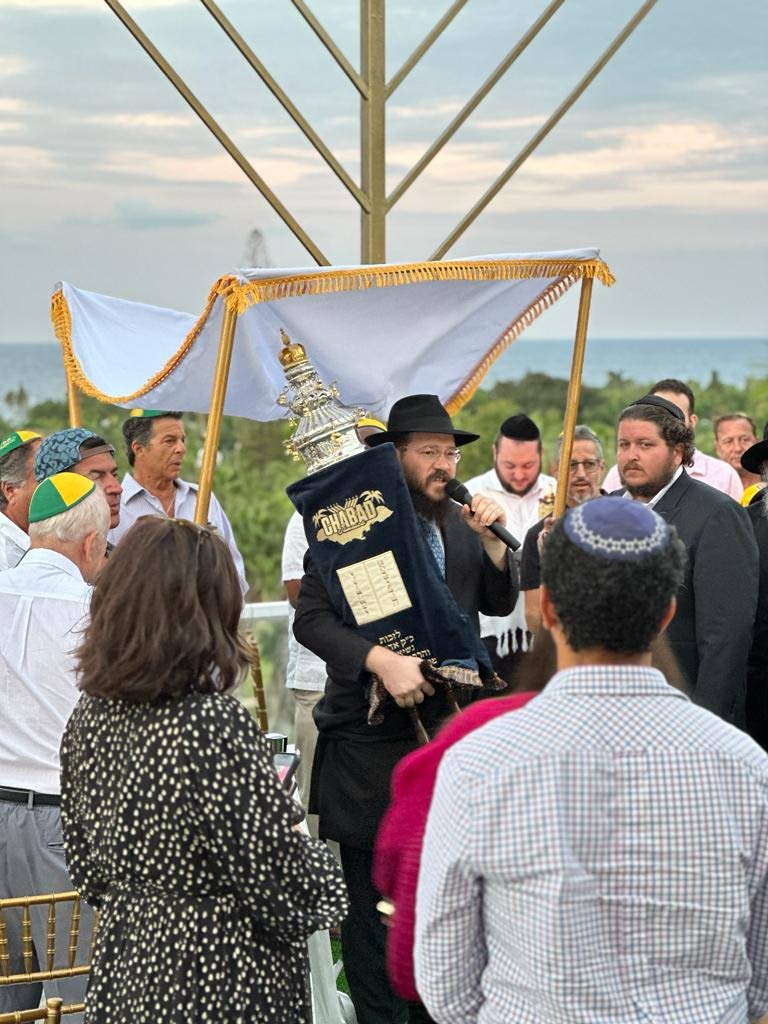 Rabbi Yaakov Raskin joins the singing and dancing during the traditional procession welcoming a newly handwritten Torah scroll to Chabad of Jamaica. Photo - Jewish jamaica.com
-
Rabbi Yaakov Raskin joins the singing and dancing during the traditional procession welcoming a newly handwritten Torah scroll to Chabad of Jamaica. Photo - Jewish jamaica.com
-
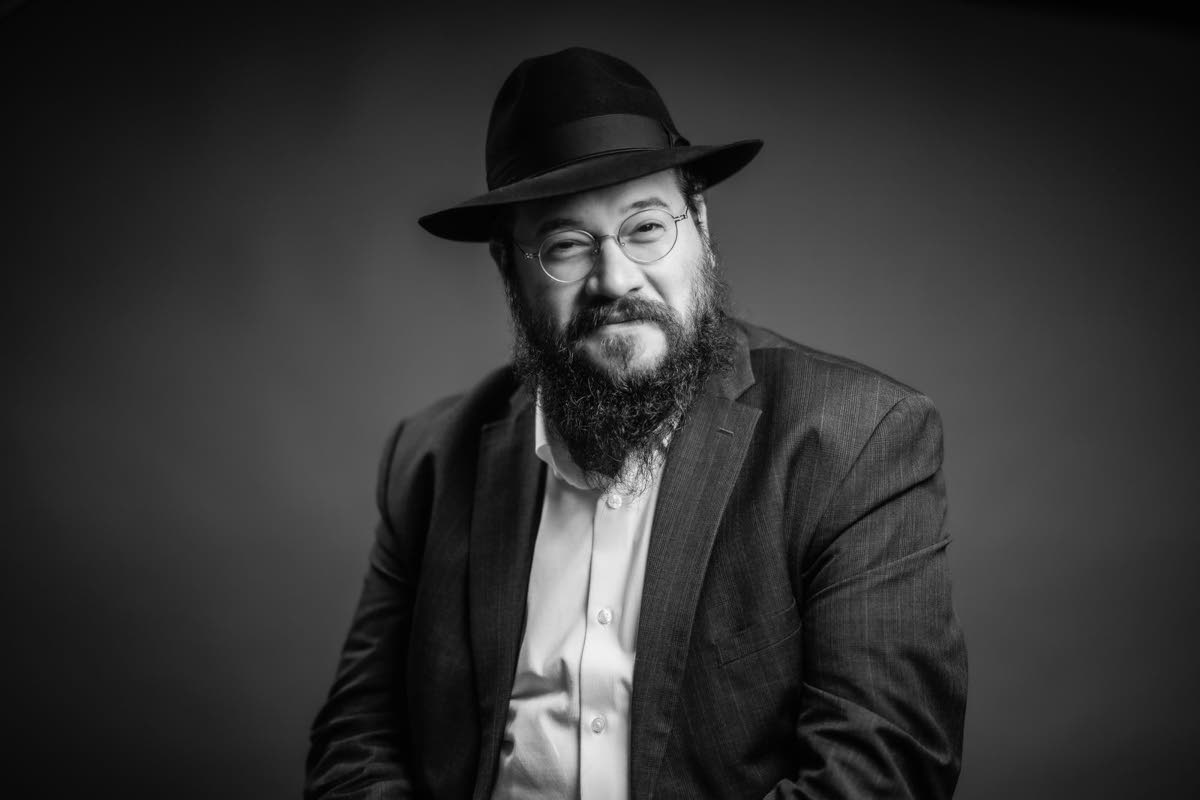 Raskin. Photo - File
Today, Jews around the world celebrate Simchat Torah, the final festival of the fall holiday season. Yet three years ago, on October 7, 2023, this joyous occasion was shattered when terrorists attacked Israel, murdering families, devastating communities and taking innocent people captive.
Yesterday, the holiday of Shemini Atzeret marked the third anniversary of that tragedy according to the Hebrew calendar. Today, as we celebrate Simchat Torah here in Jamaica, difficult questions remain.
How can we dance on the anniversary of a massacre? How can we sing while families are still mourning? How can a holiday linked to one of the darkest days in modern Jewish history remain a day of joy?
An old Jewish story offers an answer.
A man entered a synagogue on Simchat Torah and noticed another worshipper dancing with extraordinary enthusiasm. Someone asked him, “Why are you so happy? You barely study Torah and cannot even read Hebrew. What exactly are you celebrating?”
The man smiled.
“If my sister were getting married, wouldn’t I dance at her wedding? I don’t have to be the bride to celebrate. It’s a family celebration.”
“Today, our holiest book is celebrating. The Torah belongs to every Jew, including the simplest among us. This is my family’s celebration.”
What a powerful lesson about Jewish identity.
After the seven days of Sukkot, Jews observe Shemini Atzeret, meaning the Sacred Eighth Day of Assembly. Our sages compare it to a king who hosts his children for a great celebration. As they prepare to leave, he asks them to stay one more day because he cannot bear to say goodbye.
In Jamaica and throughout the Jewish diaspora, Shemini Atzeret is followed by Simchat Torah. On this day, we complete the annual reading of the Five Books of Moses and immediately begin again. We remove the Torah scrolls from the ark, embrace them and dance.
Significantly, we celebrate not with an all-night study session but through dancing. In this way, the greatest scholar and the person who cannot read a single Hebrew letter can rejoice together. The experience is open to everyone, regardless of knowledge or level of observance.
This year, however, our dancing carries additional meaning.
On October 7, 2023, terrorists attacked communities whose families were preparing to celebrate this very holiday. The grief of those who lost loved ones remains with us.
We cannot bring back those who were murdered. We cannot erase the suffering of their families. But we can decide how their memory will shape our future.
If fear empties our synagogues, silences our songs and discourages our children from embracing their heritage, then something precious will have been lost.
We will mourn. We will remember. But we will not stop living as Jews.
And we will dance.
There is another message hidden in today’s Torah reading.
Immediately after completing the Torah, we open another scroll and begin with the first words of Genesis: “In the beginning, G-d created the heavens and the earth.”
Nearly 1,000 years ago, the great commentator Rashi asked why the Torah begins with creation rather than with the first commandment given to the Jewish people.
His answer was that the Torah begins with creation to establish that the entire world belongs to G-d.
Rashi describes a future accusation that the Jewish people stole the land of ancient Canaan. The response, he explains, is that G-d created the earth and has the authority to give its lands as He sees fit. He gave those lands to the Canaanites and later entrusted them to the Jewish people.
For Jews, our connection to Israel extends far beyond modern politics. It is woven into our scriptures, our prayers and our identity.
Yet Genesis also teaches something universal: every person lives in G-d’s world, and every human life possesses inherent dignity.
Perhaps the most beautiful aspect of Simchat Torah is that we never truly finish the Torah. The moment we read its final words, we return to its beginning.
Even after our darkest moments, there is another page to turn. Even after terrible destruction, there is something to rebuild.
As we gather around the Torah today, we will remember those who were murdered while celebrating this holiday three years ago. We will carry their memory in our hearts, but we will not allow their murderers to define our future.
We will embrace our Torah, sing our ancient songs and dance with pride.
Not because we have forgotten October 7, but precisely because we remember.
Three years ago, the music was interrupted. Today, we raise our voices again. We dance for those who can no longer dance, for our children and for generations yet to come.
History has seen hatred rise and fall, yet the Jewish people remain. We are still learning the same Torah, observing the same commandments and passing them on to our children.
As this sacred month draws to a close, let each of us make one meaningful commitment for the coming year: one mitzvah, one Torah class, one step toward living more fully as a Jew.
They interrupted our celebration, but they did not end our story.
So today we dance. Tomorrow, we live what we danced for.
And as long as Jews continue learning Torah, lighting Shabbat candles and teaching the next generation who they are, the answer to those who sought to destroy us will remain the same:
We are still here.