Type 1: Faith over fear
Loading article...
-
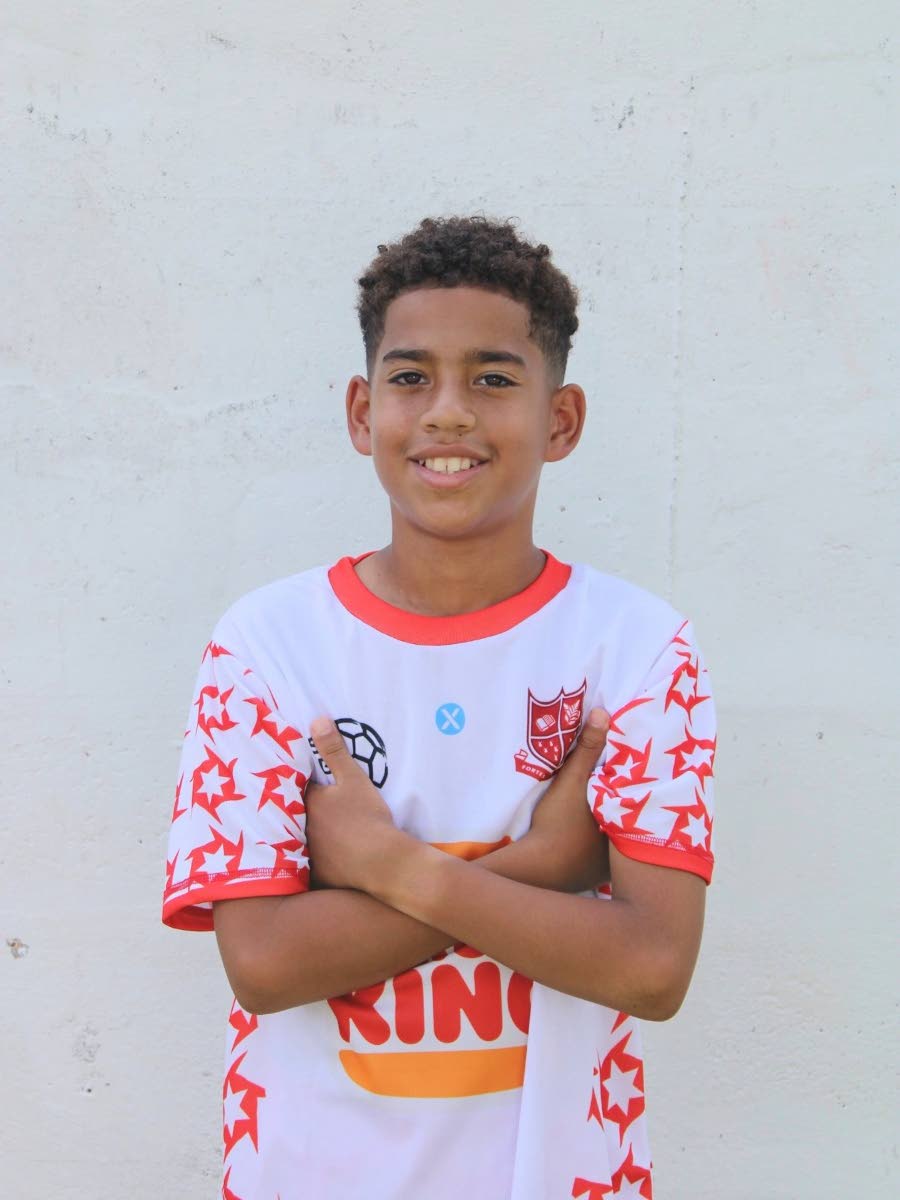 Jacob Salazar
-
Jacob Salazar
-
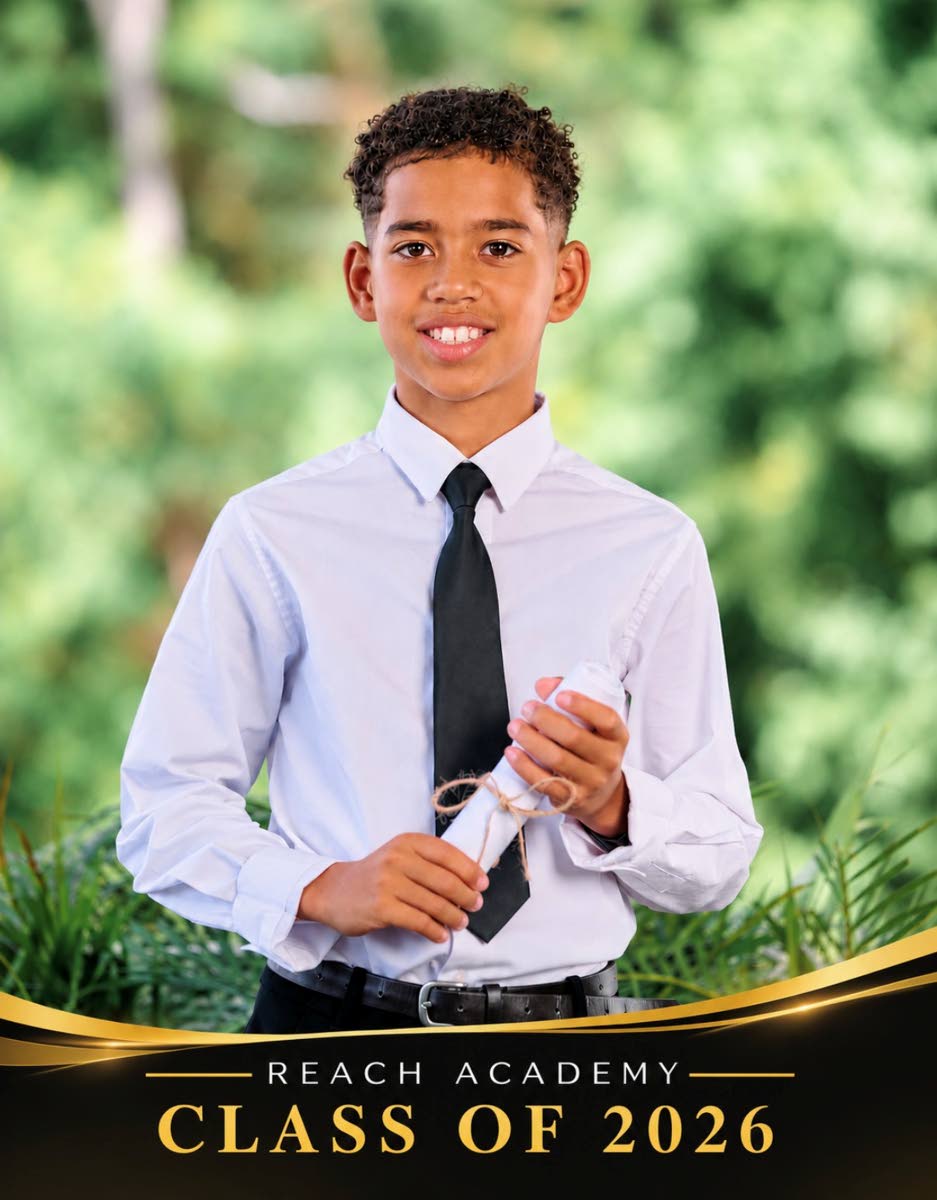 Jacob Salazar
-
-

-
There was a time when I did not have the energy to play football. I felt tired and weak, and even something I loved started to feel like too much. I could not understand why I was feeling this way or why my body was suddenly struggling to do things that once came so easily.
On June 26, 2024, just one day before my 10th birthday, I finally learned why. I was diagnosed with Type 1 diabetes, a disease I knew very little about but one that would change my life forever.
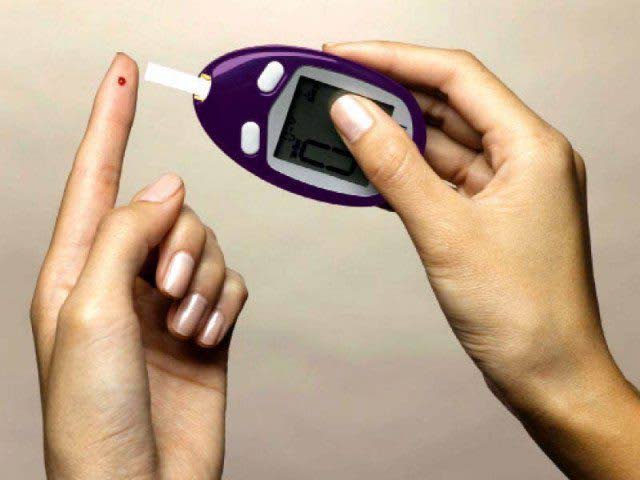
Type 1 diabetes is an autoimmune disease. This means my body’s immune system mistakenly attacked the cells in my pancreas that make insulin. Insulin helps sugar from the food we eat move from our blood into our body’s cells to give us energy. Without insulin, sugar builds up in the blood and can make us very sick.
One thing I really want people to understand is that Type 1 diabetes is not caused by eating too much sugar or having an unhealthy lifestyle. It is not something I did wrong, and it is not something I could have prevented. My body stopped making the insulin I need to survive. That is why I need insulin every day, and I will continue to need it unless a cure is found.
When I was diagnosed, there was suddenly so much to understand. Blood sugar, insulin, carbohydrates, and things I would have to think about every day. I worried about what it would mean for my life. Would I still be able to play football? What would school be like? Would I always feel this way?
At the beginning, it was hard to see past those questions. Now, I can see how much there is to look forward to.
Today, I am playing football again. I placed fourth nationally and second among boys in PEP (Primary Exit Profile), and I am now taking on the challenges and excitement of high school at Campion College. There are new subjects, new people, and more responsibilities. I still have Type 1 diabetes through all of it, but I also have goals that I want to achieve.
One thing I want people to understand is that there is work behind the scenes. When someone sees me on the football field, they might just see a boy playing a game. They do not necessarily see the planning that helps me get there.
Playing sport means paying attention to my blood sugar before, during, and after activity, thinking about food and insulin, having supplies ready, and knowing when I need to stop and ask for help. My family and diabetes care team help me work out what is right for my body.
Sometimes, I wish I could just get on the field without having to think about all of that. There are still frustrating days. Diabetes does not take a break, even when I want one, but learning how to manage it has helped me get back to doing something I love.
My community makes a big difference. My family, teachers, coaches, and friends are very supportive. Having people who listen and help makes the challenges feel less overwhelming. I want other children with Type 1 diabetes to have that kind of support, too.
What I Wish More People Knew About Type 1 Diabetes
One of the biggest things I have learned is that understanding this disease can save someone’s life. Before I was diagnosed, I was tired and weak, but I did not know why. Sometimes, the warning signs are right in front of us, and we do not recognise them.
Here are a few things I wish everyone knew:
1. Know the warning signs.
Feeling unusually tired, being very thirsty, going to the bathroom more often, and losing weight without trying can be signs of Type 1 diabetes. If you notice these changes, tell an adult and get medical advice quickly. Do not assume that someone is being lazy because they have stopped doing things they normally enjoy.
2. Know when someone needs help.
If a person with diabetes appears confused, shaky, dizzy, or is acting strangely, they could be experiencing low blood sugar, also called a hypo. Alert an adult immediately. If the person is awake and able to swallow safely, something sugary like regular juice may help. If they are unconscious or cannot swallow safely, never give them anything by mouth. Call for emergency medical help immediately.
3. Never give someone insulin without their consent and proper medical guidance.
Insulin is something we depend on to live, but giving it incorrectly can be dangerous. Insulin should never be given to treat low blood sugar.
4. Understand that we manage diabetes differently.
Some people inject themselves with insulin, while others wear pumps like me. You might see a device attached to someone’s body or hear an alarm from their phone. Ask questions to learn, not to judge or make fun of someone.
5. Remember that diabetes is not always visible.
Someone might look perfectly fine but could be dealing with high or low blood sugar, exhaustion, or the stress of managing their condition. Sometimes, understanding and patience are the biggest ways you can help.
To other people living with Type 1 diabetes, my message is to speak up for yourself. Ask questions. Tell people what you need. If you feel unwell, say so. If you are struggling with the pressure of managing everything, talk about that, too.
Keep learning about insulin and how your body responds to food, exercise, and everyday life, with help from your diabetes care team. For me, learning to manage insulin is part of finding a balance that lets me live fully. It takes practice, support, and patience. A difficult blood sugar day does not mean you have failed.
November 14 is World Diabetes Day. For me, raising awareness means helping people understand both the challenges of living with diabetes and the possibilities ahead.
That is why we host our One Love, One Cure: Type 1 Diabetes Family 2K Walk. We want other children living with this condition to feel seen and heard. All registration funds go towards building community and awareness in Jamaica and providing tools and support to help children find balance in their lives, including their social and emotional well-being.
We also raise funds for research towards a cure through separate donations to Breakthrough T1D. My eyes are on that cure. I hope for a future when children like me can go through their day without constantly thinking about diabetes.
If you are living with Type 1 diabetes and looking for a community, please register for our family walk. Bring the people who support you. And even if you do not have diabetes, come and learn. Understanding this disease could one day help you save someone’s life.
For me, faith over fear means believing in my future, even on the difficult days, and trusting that I have people beside me as I move towards it.
At the beginning, I had so many fears about what came next. Now, I have football to play, things to learn, and a future I am excited about.
I still hope for a cure every day. Until then, I will keep living, learning, and doing the things I love.
Jacob Salazar is a student at Campion College