Earth Today | Climate costs weigh heavily on vulnerable nations
Loading article...
-
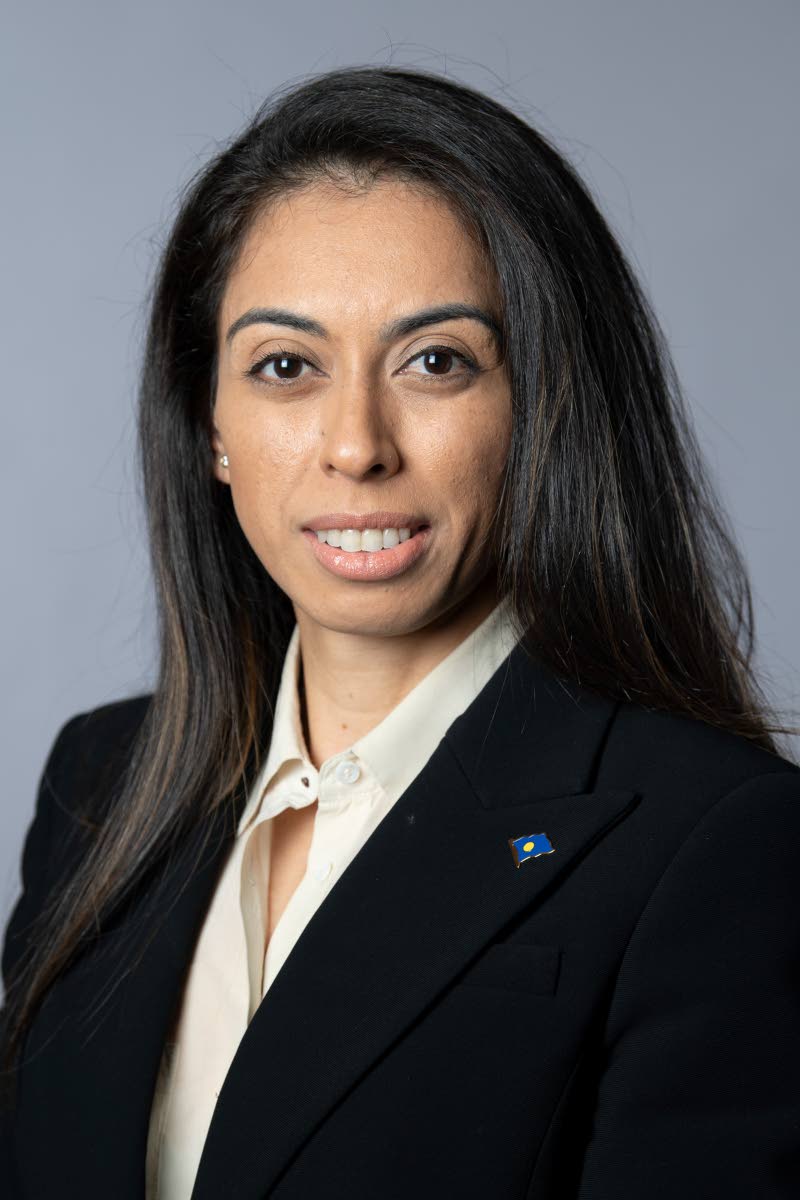 Ambassador Ilana Seid, chair of the AOSIS. Photo - Contributed
-
Ambassador Ilana Seid, chair of the AOSIS. Photo - Contributed
-
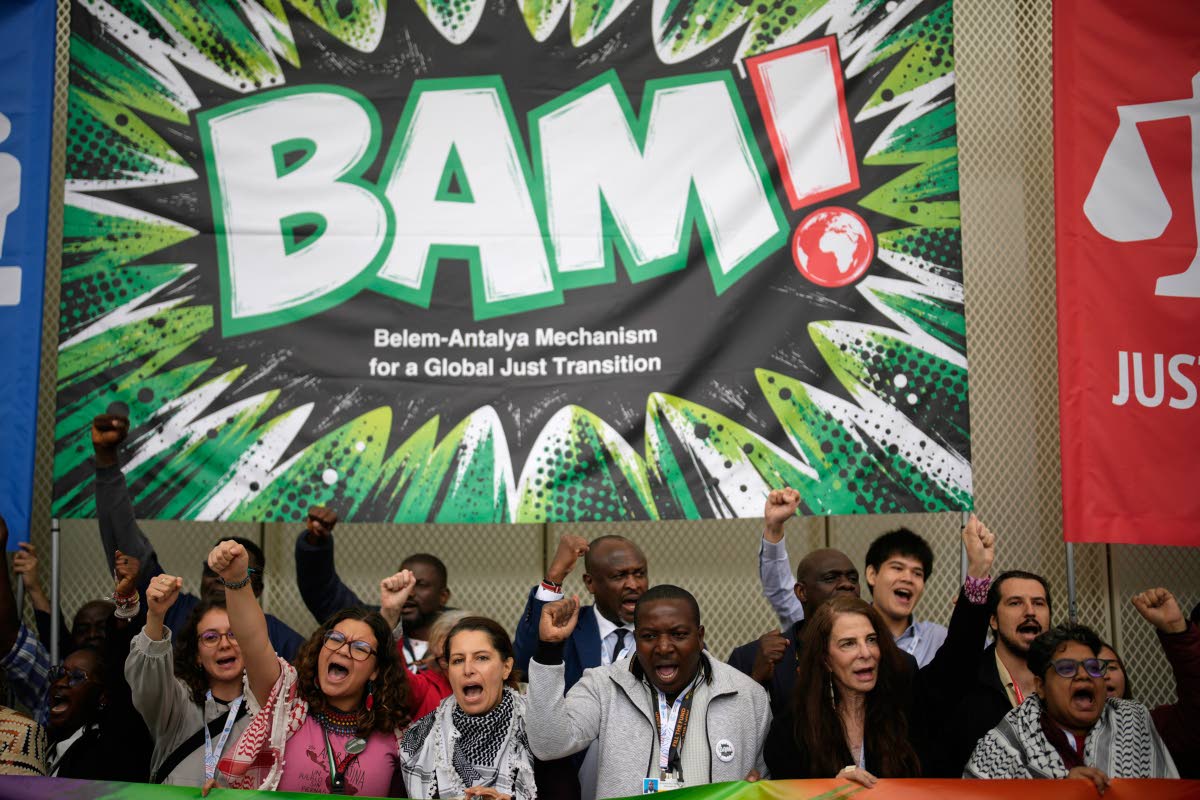 Activists participate in a demonstration at the COP31 UN Climate Summit, Tuesday, November 10, 2026, in Antalya, Turkey. Photo - AP
-
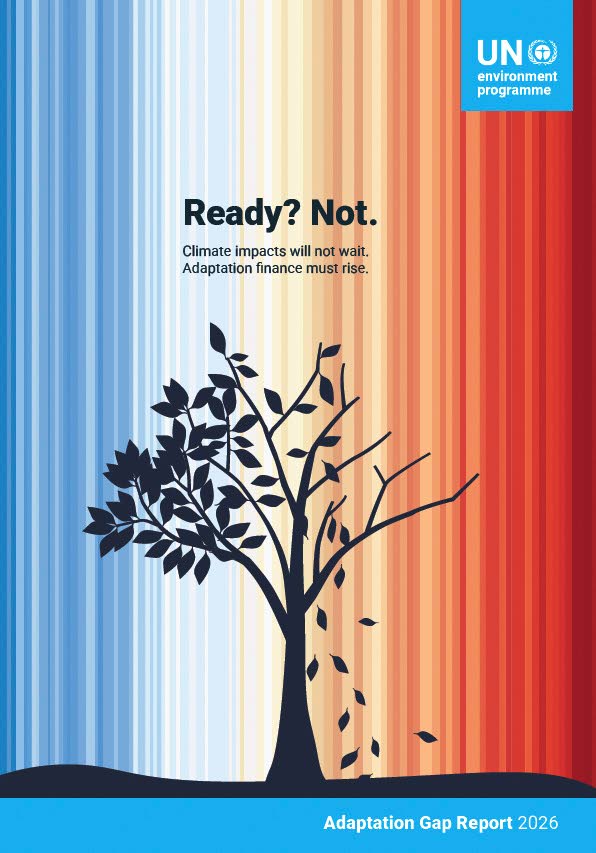 Photo - Contributed
AS CLIMATE risks escalate, the world’s most vulnerable countries, notably small island developing states (SIDS) and least developed countries (LDCs), face adaptation costs far out of their proportion to the size of their economies.
“An updated assessment of the latest submitted nationally determined contributions (NDCs) and national adaptation plans (NAPs) estimates adaptation finance needs of US$255–328 billion/year over the next decade (2024 prices). Of this, LDCs and SIDS account for US$50 billion/year,” revealed the recently released Adaptation Gap Report, titled ‘Ready? Not. Climate Impacts will not wait. Adaptation must rise.’
“The submissions show that low-income countries have the highest relative needs, at around four per cent of their gross domestic product (GDP),” added the report, which is published by the United Nations Environment Programme (UNEP).
Further, the report highlighted that “modelling of adaptation costs indicates similar short-term needs, with a central estimate of US$320 billion/year (2024 prices)”.
“The analysis shows that these estimates are strongly influenced by several factors, especially the objectives set for adaptation. Both estimates focus on the adaptation activities identified in NDCs and NAPs, and they exclude most private sector needs. Initial modelling shows that these private needs could be very significant, with the potential to almost double overall finance needs for developing countries,” it explained.
The 2026 Adaptation Gap Report was released just ahead of the global climate talks (COP31), now ongoing in Antalya, Türkiye, where world leaders and their technical officers are gathered, from November 9 to 20, for negotiations to progress the response to catastrophic climate change. Also participating are young people, climate scientists, Indigenous Peoples, and civil society, to share insights and best practices to strengthen individual and collective actions.
Climate change is hitting SIDs and LDCs the hardest, even though they have contributed the least to global greenhouse emissions that fuel the warming of the planet. Rising seas, more intense storms, droughts and floods threaten their economies, food systems, freshwater supplies and infrastructure.
Many are heavily dependent on agriculture and fisheries as well as tourism, which are sectors especially exposed to a changing climate. Limited fiscal space and high debt burdens also leave these countries with fewer resources to respond, which helps explain why their adaptation needs are large relative to the size of their economies.
Meanwhile, according to the UNEP report, while adaptation finance needs are “unavoidable”, mitigation, that is, reducing emissions, remains essential in order to limit “longer-term adaptation costs”.
“The level of future climate change will determine the amount of adaptation needed. Higher warming requires more adaptation and involves higher costs, though the rate of change also matters, with faster warming leading to higher adaptation costs for the same levels of warming,” it said.
SIDS have continued to make that point, emphasising the need for scaled up support now, together with better decision-making and accelerated actions to restrain global temperatures to no more than 1.5 degrees Celsius above pre-industrial levels.
“There can be no waffling about 1.5 degrees Celsius. It is the agreed temperature goal of the Paris Agreement, affirmed by the International Court of Justice and reinforced by the United Nations General Assembly. 1.5 degrees Celsius is not an ambition that can simply be discarded because the world has failed to act with the urgency required,” noted Ambassador Ilana Seid, chair of the Alliance of Small Island States (AOSIS) in a November 3 statement, on the eve of COP31.
“Behind every climate statistic is a child without safe drinking water, a parent unable to put food on the table, and a family facing the loss of its livelihood. This is the human cost of climate injustice, and it is being paid by those least responsible for the crisis,” she added.
AOSIS represents the interest of 39 small island and low-lying coastal developing states in international climate change, sustainable development negotiations and processes.
pwr.gleaner@gmail.com