Immigration | Does military service protect you from deportation in Canada?
Loading article...
-
 Deidre S. Powell. Photo - File
-
Deidre S. Powell. Photo - File
-
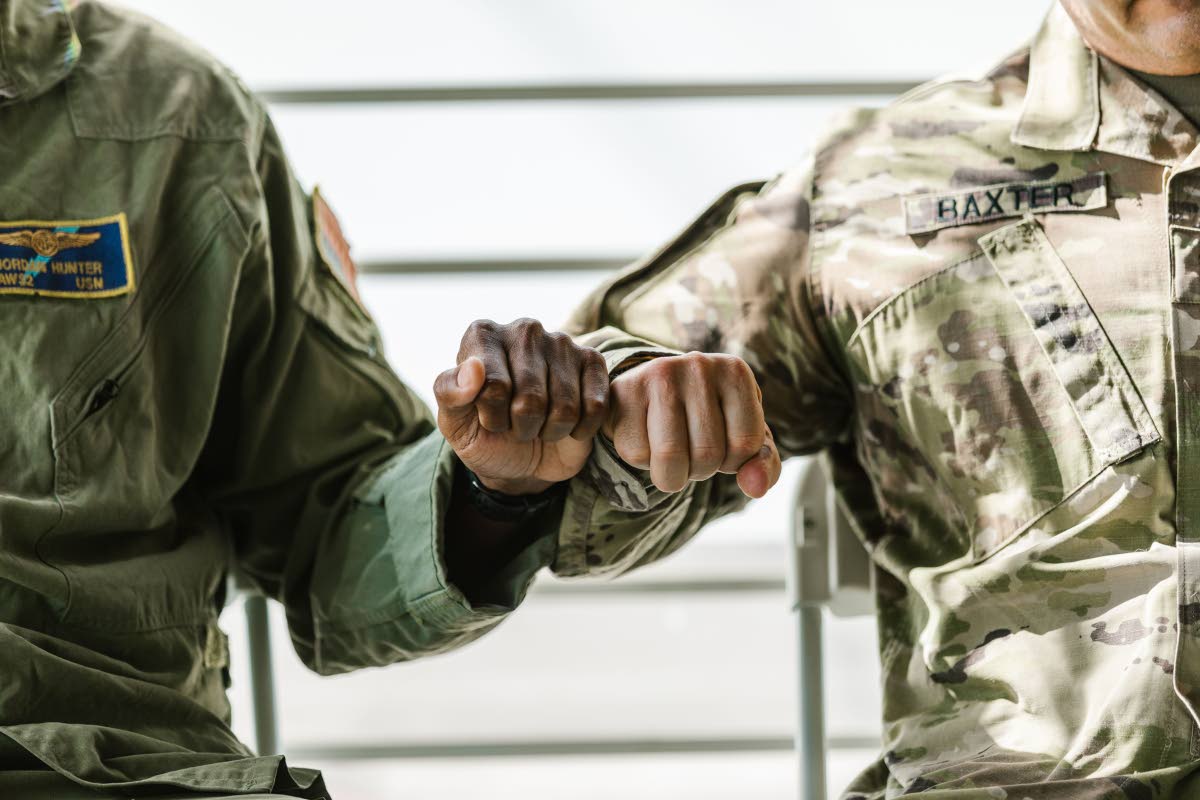 Photo - pexels.com
Dear Miss Powell,
I enjoy reading your articles. I read about an American policy and the story of Hector Barajas and I am wondering whether Canada has the same policy.
F.M.
Dear F.M.,
Military service can matter in immigration decisions, but it does not guarantee protection against deportation.
In 2019, Hector Barajas, a former US Army soldier who had previously been deported to Mexico, was refused entry to Canada while travelling to the Toronto International Film Festival for the premiere of a documentary about deported American veterans. Canadian authorities later allowed him in, without publicly explaining why.
America changes course
For years, American immigration authorities had policies requiring consideration of military service when deciding whether to pursue enforcement action against non-citizen veterans.
In April 2025, US Immigration and Customs Enforcement replaced its 2022 policy. The new guidance retains certain protections for serving personnel and veterans eligible for citizenship, but military service does not prevent removal where other circumstances justify enforcement.
No automatic shield in Canada
Canada does not provide automatic protection from removal simply because someone has served in the Canadian Armed Forces.
Since 2022, permanent residents have been eligible to apply to join the Forces. However, military service does not change their immigration status. A permanent resident who becomes inadmissible for serious criminality may face removal, even after years of honourable service.
Where military service matters
A permanent resident with a right of appeal may ask the Immigration Appeal Division to consider humanitarian and compassionate circumstances.
The division considers factors including the seriousness of the offence, rehabilitation, length of residence, family and community ties, establishment in Canada, hardship upon removal, and the best interests of any child affected.
Military service may provide important evidence of establishment and contribution to Canadian society. Service records, commendations and letters from commanding officers may strengthen the case.
However, military service is not an automatic defence. The division must consider all relevant circumstances.
When there is no right of appeal
Some permanent residents lose their right to appeal to the Immigration Appeal Division because of serious criminality. For example, a Canadian prison sentence of six months or more can trigger that restriction. Certain offences committed outside Canada can also eliminate the appeal right.
Depending on the person’s immigration status, other remedies may be available, including humanitarian and compassionate relief in appropriate cases, a request to defer removal or judicial review. These remedies have different requirements and do not automatically stop removal.
Citizenship provides the strongest protection
Canadian citizens cannot ordinarily be deported under immigration law.
Canada offers a special citizenship pathway for qualifying members and former members of the Canadian Armed Forces. Three years of service within the preceding six years can replace the ordinary physical-presence requirement. Former members must have been honourably released.
Qualifying service abroad may also count towards physical presence under the ordinary citizenship rules.
My advice to permanent residents is simple. Apply for Canadian citizenship as soon as you qualify. Do not wait. You cannot apply for citizenship while you are under a removal order. Keep your service records, deployment documents, commendations and release papers in a safe place.
If you face criminal charges, tell your lawyer that you are a permanent resident before entering a plea. A conviction or sentence may have serious immigration consequences, including loss of appeal rights.
If removal proceedings begin, seek immigration legal advice immediately. The deadlines can be short.
Deidre S. Powell, BSc, LLB, LLM, MCIArb, is a lawyer, mediator and author in Canada. Contact her via www.deidrepowell.com or WhatsApp 613-695-8777.