Patterson, Golding say Caribbean integration has been a difficult journey
Loading article...
-
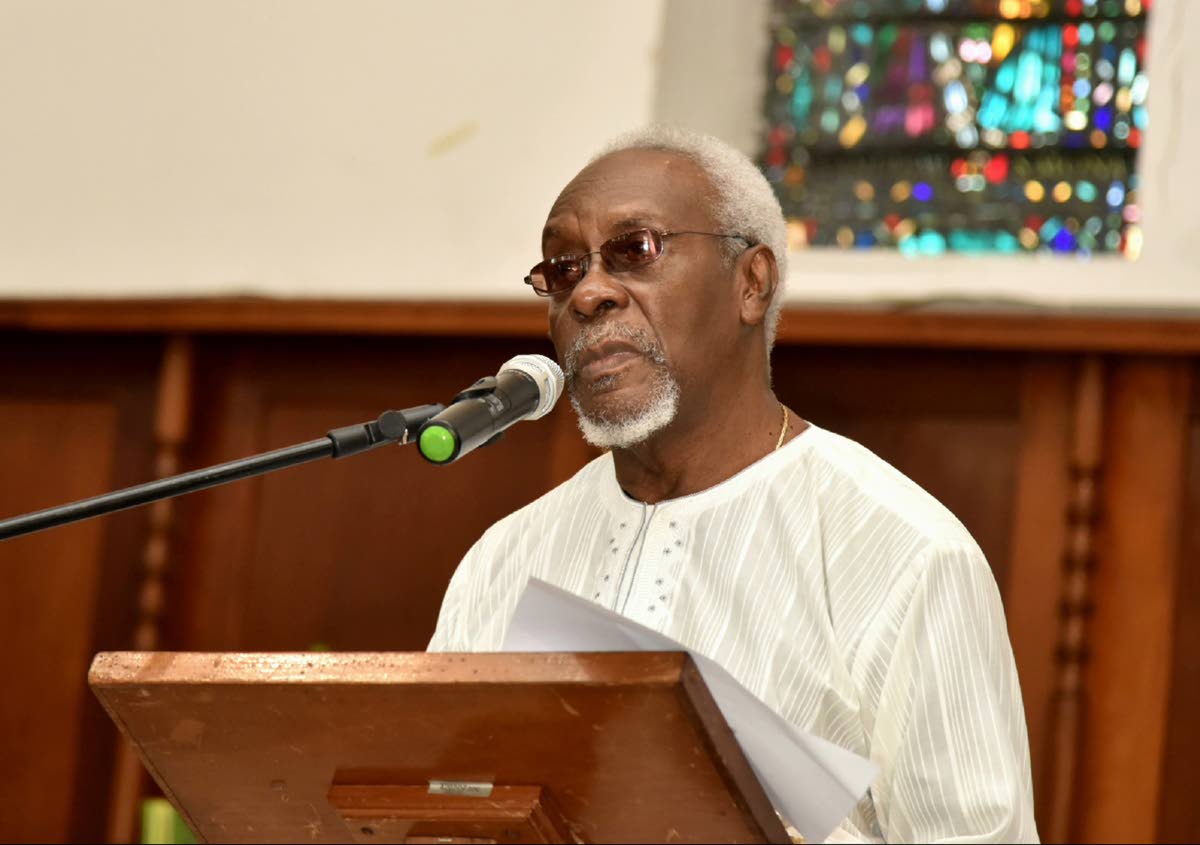 PJ Patterson, former Prime Minister of Jamaica. Photo - File
-
PJ Patterson, former Prime Minister of Jamaica. Photo - File
-
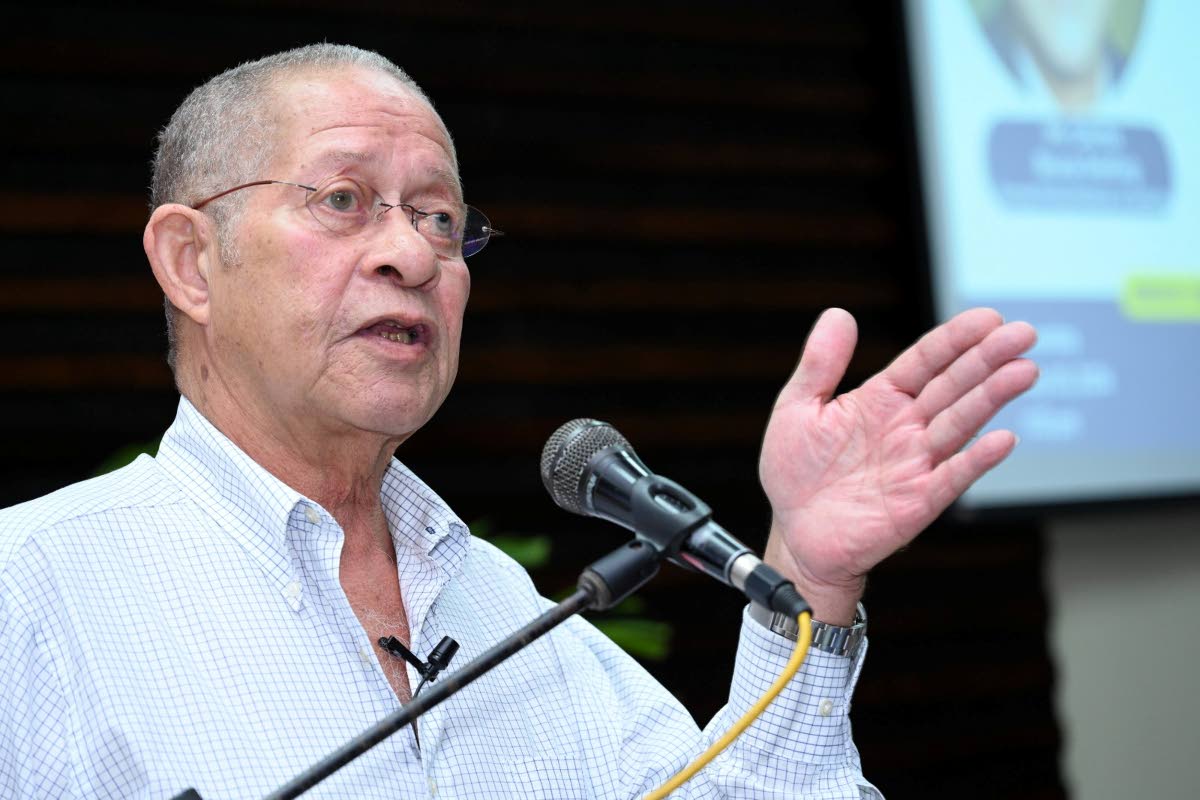 Bruce Golding, former Prime Minister of Jamaica. Photo - File
Former Prime Ministers PJ Patterson and Bruce Golding have lamented the slow pace of Caribbean integration, arguing that the region has fallen short of the vision and aspirations that inspired the formation of CARICOM.
Golding said the integration movement had made some achievements but remained far from realising its full potential.
“I am not sure that Manley, Barrow, Williams and Burnham would recognise the community today,” he said.
Golding was speaking at the launch of a book on Caribbean integration by former Governor General Sir Kenneth Hall, titled ‘Caribbean Integration: The Patterson Doctrine – Governance, Transformation and the Future of the Caribbean Community’, at the University of the West Indies, Mona, on Sunday.
He said the Eastern Caribbean was significantly further ahead in integration than the wider CARICOM community, attributing the disparity to the problem of insularity across the region.
He lamented that the flame which burned brightly at the beginning of the integration movement had lost much of its intensity.
Golding argued that the region's failure to deepen integration had left it vulnerable to interference, exploitation and disruption.
He identified weak conviction and a lack of political will as the biggest obstacles to advancing the integration process.
Golding also questioned whether CARICOM's founding fathers would be satisfied with the direction in which the community had moved.
Meanwhile, Patterson said the current global climate was increasingly characterised by isolationist rather than integrative tendencies.
He noted that while the region had experienced major upheavals in the past, the current challenges represented an unprecedented period of uncertainty.
“After more than six decades, we still seem haunted by the Federal ghost. We cannot remain haunted by it forever. The global turbulence and innumerable obstacles dictate that our only choice for salvation is to be of good courage and move boldly forward to fashion a mature, resilient and vibrant regionalism,” he said.
Patterson argued that the current global turbulence and hegemonic doctrines made it imperative for the region to establish and maintain what he described as the Global African Community (GAC).
He said the proposed coalition would bring together people and organisations of African birth and descent across the six regions of Africa and the diaspora, including communities in the United States, Canada, Brazil, Central and South America, the United Kingdom and the Middle East.
Patterson also stressed that the region's foreign policies should be guided by fundamental principles rather than narrow transactions or subservience to powerful interests.
“It is none but ourselves can free our minds to determine what our future portends – carving out our own space, charting our own destiny and no longer let others continue to determine that for us,” he said.
He argued that Hall's book challenges the region to bridge the gap between its institutions and the citizens they serve through stronger governance, production integration and a renewed sense of shared Caribbean purpose.
Patterson said the University of the West Indies' Mona campus was an appropriate place to begin that process, given its role in education, research and developing Caribbean solutions to regional challenges.
- Lester Hinds
Follow The Gleaner on X, formerly Twitter, and Instagram @JamaicaGleaner and on Facebook @GleanerJamaica. Send us a message on WhatsApp at 1-876-499-0169 or email us at onlinefeedback@gleanerjm.com or editors@gleanerjm.com.