Immigration | Can I have my baby in the US ?
Loading article...
-
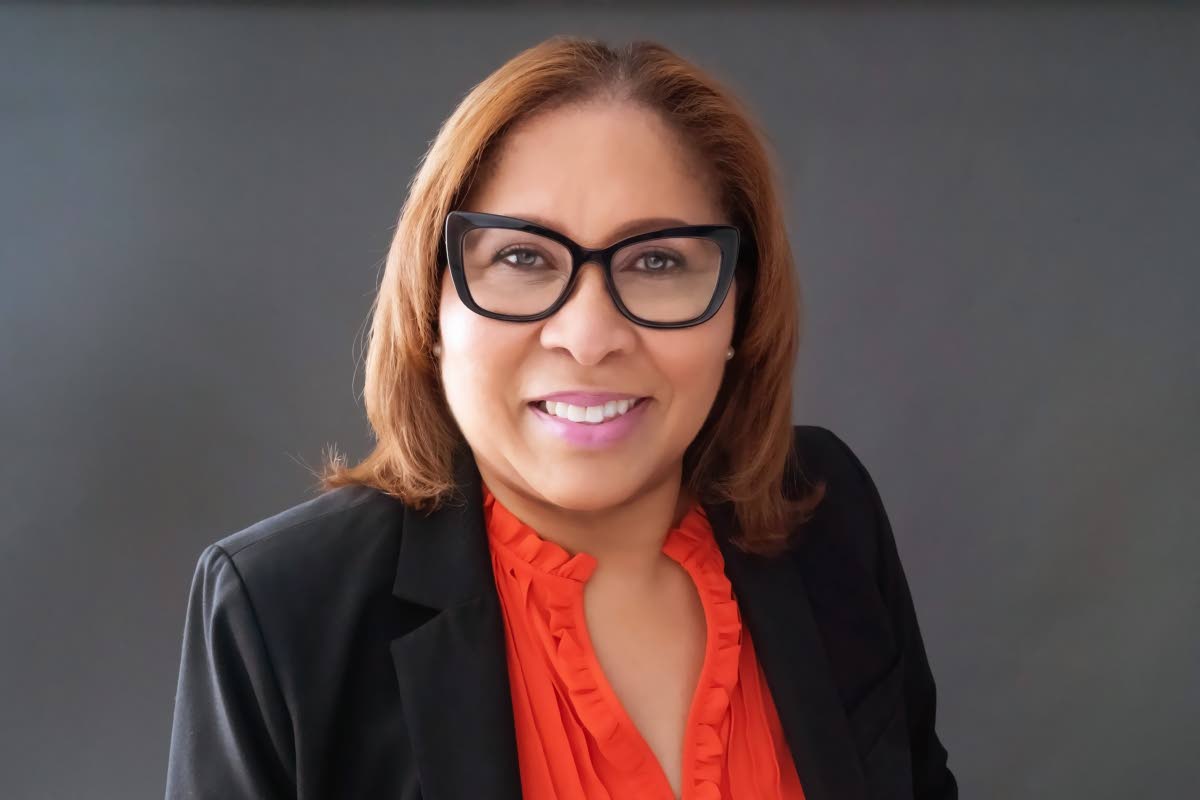 Dahlia A. Walker-Huntington, Esq. is a Jamaican-American attorney who practises immigration law in the United States; and family, criminal & international law in Florida. She is a mediator and former special magistrate & hearing officer in Broward County, Florida. info@walkerhuntington.com. Photo - Contributed
-
Dahlia A. Walker-Huntington, Esq. is a Jamaican-American attorney who practises immigration law in the United States; and family, criminal & international law in Florida. She is a mediator and former special magistrate & hearing officer in Broward County, Florida. info@walkerhuntington.com. Photo - Contributed
-
 Photo - pexels.com
Hi Mrs Huntington,
Let me hope all is well with you. I am a fan of your column in The Gleaner and look forward to your responses to the many immigration questions posed to you.
My question is: I am about to give birth to my first child and would love to have him in the US. However, I am just the holder of a visitor’s visa. I am gainfully employed to an international company and was told that if I am able to pay the medical fee, there would be no issue. Can you advise?
Kindest regards,
N.G.
Dear NG:
United States immigration law is an ever-changing area that is influenced by written law, court interpretation of the written law, written policy, and political influence over that written policy. The United States Congress makes immigration law, and, of course, whichever party holds the majority is able to pass laws they favour and must convince their members to support bills that are introduced to create or change laws.
The governing party must sometimes also reach across the aisle to gain support for legislation from the opposing party. Each change of US administrations influences how the law and policies are interpreted, and these interpretations and changes come out daily.
While I have answered this question more than once over the many years of this column, the current US administration’s policy towards birthright citizenship warrants another look at the issue.
The 14th amendment to the United States Constitution bestows US citizenship on anyone born in the United States. The current administration has challenged this by attempting to institute policy to limit to whom this birthright can be granted. That challenge was defeated earlier this year by the Courts upholding the general principle of birthright citizenship to the undocumented and to those temporarily present in the United States. In the meantime, birthright citizenship continues to be the law of the United States, and legal scholars contend that the only way to change this is to amend the US Constitution.
In the meantime, the administration has also focused on what they term “birth tourism”, i.e., travelling to the United States solely to give birth to a US citizen child. Some women have done this to take advantage of US services that will not turn away a pregnant woman from a hospital and the Medicaid insurance that comes with that – i.e. having a baby in the US at taxpayers’ expense. Those persons have always risked their US visas because while it is not against the law to have a child in America and receive Medicaid, it violates the public charge policy of immigration law. Sadly, many people have found out the hard way that their visa can be revoked, refused renewal, or that they can be denied entry to the US on a subsequent visit.
However, once a person could prove that they paid for the expenses surrounding the birth of their US citizen child, the State Department would renew their visas, and they would not be denied entry to the US. Now, things have changed. Whether you paid or not, giving birth to a child in the United States if you are not a US resident or US citizen is under strict scrutiny. The current administration has established a task force to examine records of persons suspected of travelling to the US solely to give birth to US citizen children with the purpose of revoking the US visas of the parents.
If someone needs to travel to the US to give birth for medical reasons, they should document this and be ready to present those documents on a subsequent visit to America or at visa renewal to show that this was a necessity rather than only a desire to have an American citizen child
Dahlia A. Walker-Huntington, Esq. is a Jamaican-American attorney who practises immigration law in the United States; and family, criminal & international law in Florida. She is a mediator and former special magistrate & hearing officer in Broward County, Florida. info@walkerhuntington.com