Golding launches nursery rhymes celebrating Jamaican heritage
Loading article...
-
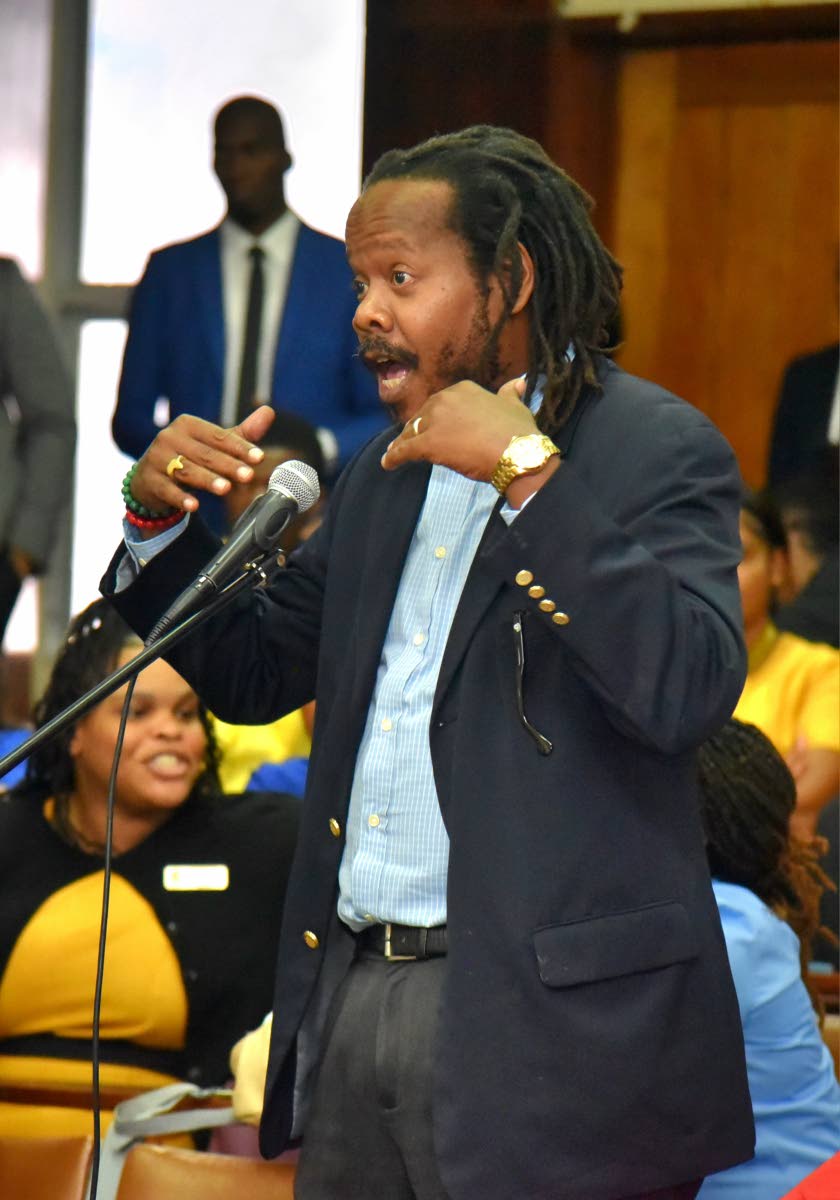 Steven Golding. Photo - File
-
Steven Golding. Photo - File
-
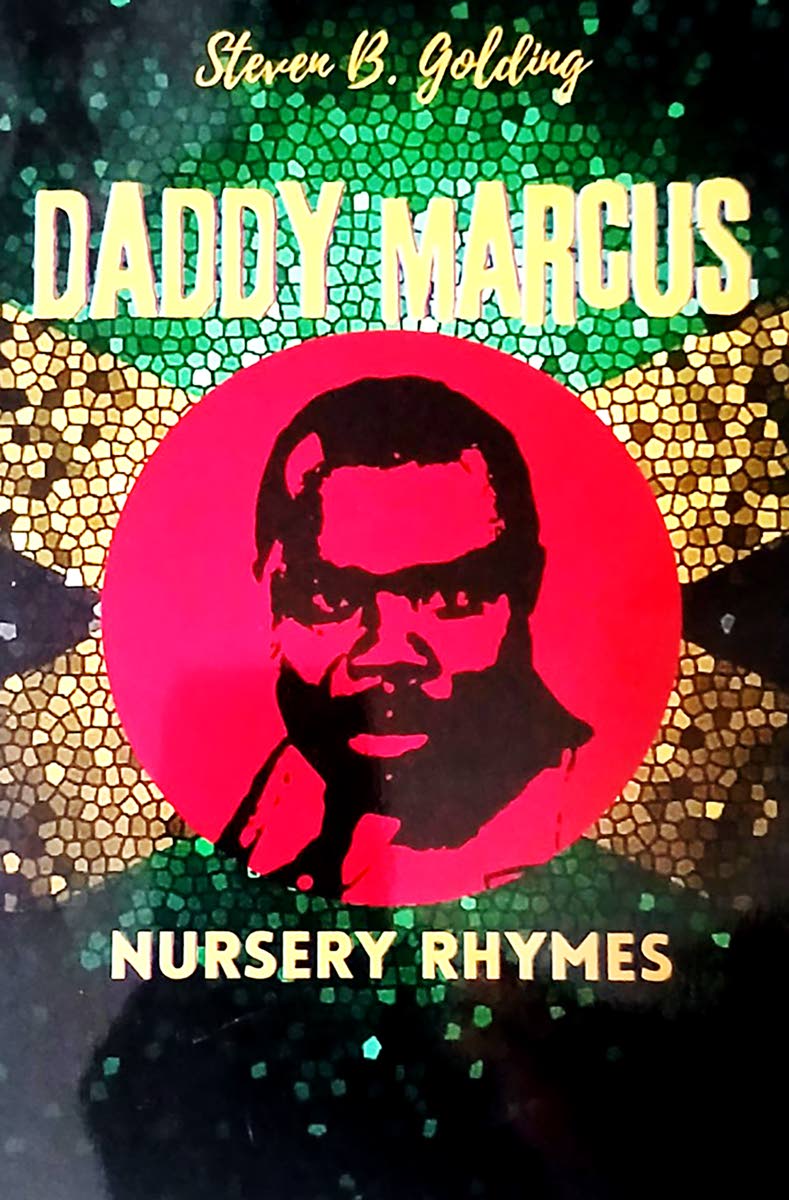 Steven Golding’s creations are compiled in ‘Daddy Marcus Nursery Rhymes’.
For generations, basic school students in Jamaica have been reciting nursery rhymes — catchy verses whose playful lines often seem nonsensical at first glance. Yet they carry coded messages far removed from Caribbean experience.
That disconnect prompted Steven B. Golding to craft rhymes of his own, with a Jamaican twist: “The realisation of Garvey’s charge to us in his great thesis on African Fundamentalism that states ‘we must inspire a literature and promulgated a doctrine of our own without any apologies to the powers that be, the right is ours and God’s’!” Golding’s creations are compiled in Daddy Marcus Nursery Rhymes.
“The book is an exercise in reparations in that it seeks to repair the educational curriculum at the early childhood level by decolonising the narratives in our nursery rhymes which have been handed down to us by our former colonisers and so-called slave masters from as much as 400 years ago,” Golding told The Gleaner.
“We developed the concept almost a decade ago while chairing the Garvey Studies Department at the Hydel Group of Schools. It was part of a developmental curriculum for teaching Garveyism at the early childhood and primary school levels,” he said.
The collection features 16 titles, each addressing a different aspect of Jamaica’s history and heritage: Jack Man Song, The Great Ras Makonnen, Timbuktu is Going Up, Nanny Nanny Quite Uncanny, Cudjoe Be Nimble, Bo Bo Ashanti, Dutty Boukman, Hey Ginga Ginga, My Little Herb Tree, Cubah Cornwallis, Don Juan Cimarron, Old Mother Africa, Rastaman Rastaman, Little Miss Lou, Kaldi Has a Little Goat, and Black Line.
“We started with these, but more can be and will be repaired. These were chosen because they best demonstrate the seeds of white supremacy that are embedded in the centuries-old British nursery rhymes that need to be repaired which we have done,” Golding said.
Each rhyme includes a contextual footnote titled ‘Our Story’, along with a colourful illustration on the opposite page. The first verse of Black Star Line, which “repairs” I Saw a Ship A Sailing from 1905, reads: I saw a ship a-sailing/Sailing on the Sea/Forward from Africa/With things for you and me. It closes with : The captain wore a plumed hat/His uniform was fine/And when the ship began to move/He shouted, Black Star Line!
‘“The Black Star Line was a shipping line incorporated in 1919 by Marcus Garvey, the founder of the Universal Negro Improvement Association (UNIA), and other members of the UNIA in the USA. The shipping line was created to facilitate the transportation of goods and eventually Africans in the diasporanand on the continent across the globe,” the ‘Our Story’ note explains. Opposite is an illustration of a Black Star Line vessel and Garvey waving a flag.
Golding told The Gleaner, “Having written them all, they are like my children, so it’s hard to pick out a favourite. However, the one that the Ministry of Education was keen to scan first was My Little Herb Tree, and the one that I feel is absolutely essential to preserving the memory of one of Jamaica’s unsung and forgotten heroines is Cubah Cornwallis.”
Cubah Cornwallis appears on page 19. Its rhyme reads: There was a young doctress who lived by the sea/Treating pirates and sailors from the Royal Navy/She once healed a prince who grew up to be king/And never forgot the young doctress saved him. The “prince” was Captain Horatio Nelson.
Some may argue that Golding could have written entirely new Jamaican rhymes rather than reworking British ones. He rejects that view. “As an educator we understand that 400 years is a long time to hold the minds of a people in mental slavery. Even after the shackles are removed from a body, the muscles remember and still move as if the shackles are still on. By retaining the familiar rhythms, but changing the words, stories, that is, the narratives, it makes them easier to be absorbed into the curriculum after four centuries of familiarity or brainwashing,” he said.
“Furthermore, it wouldn’t be an exercise in repair, that is, reparations, if we simply just kept the old ones and created completely new and different ones, would it? No, so, instead, we have repaired the old to reflect our history and culture as Jamaicans and descendants of Africa.”
Golding is encouraging corporate Jamaica to purchase the book for early childhood schools.
“We are seeking 25 corporate companies to give due diligence to this project by sponsoring 100 books each. This will allow us to place at least one copy in every registered early childhood institution across the island.
“So far, only JMMB and Sanmerna Paper Products have answered this worthy cause, but we are hopeful more corporate social responsibility will follow from other entities.”
editorial@gleanerjm.com