Memories of Mona Heights
Loading article...
-
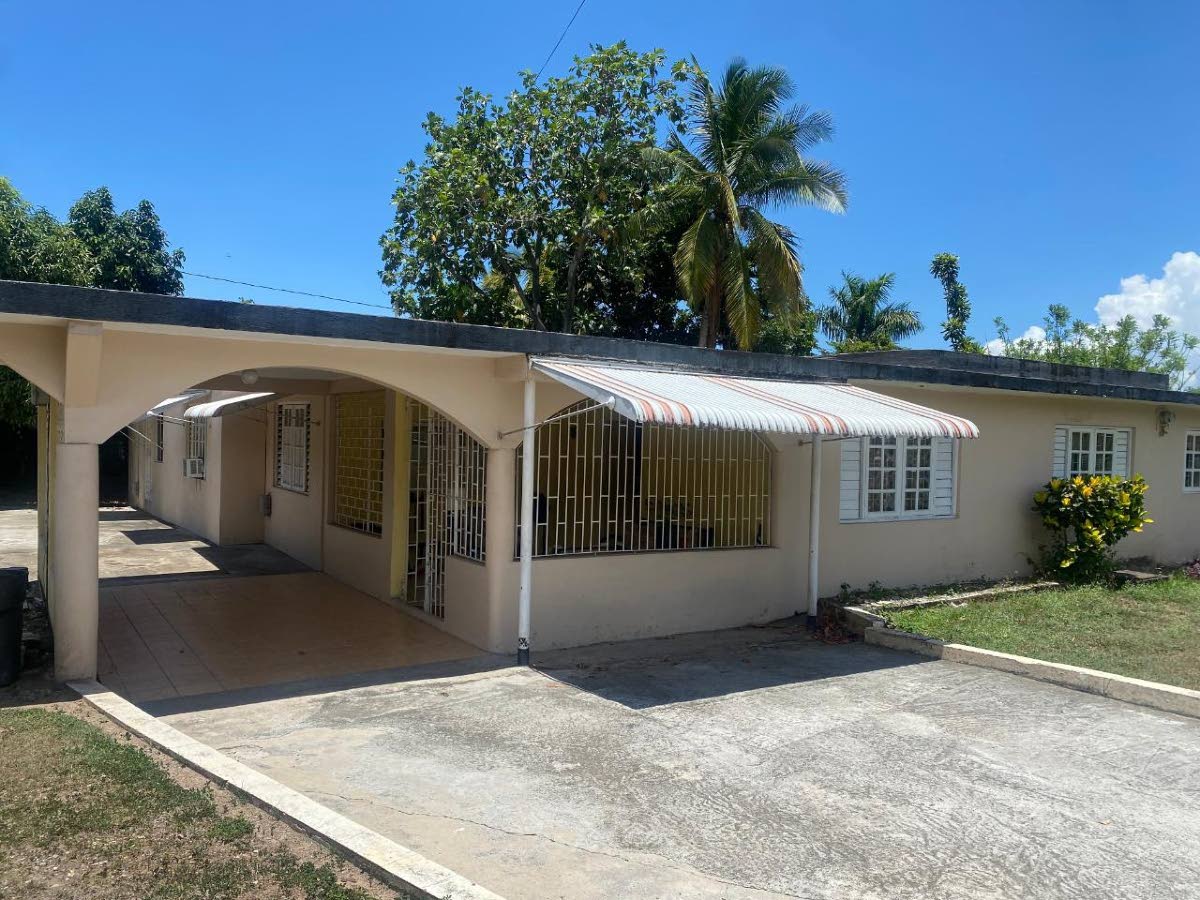 Photo - Dave Rodney
-
Photo - Dave Rodney
-
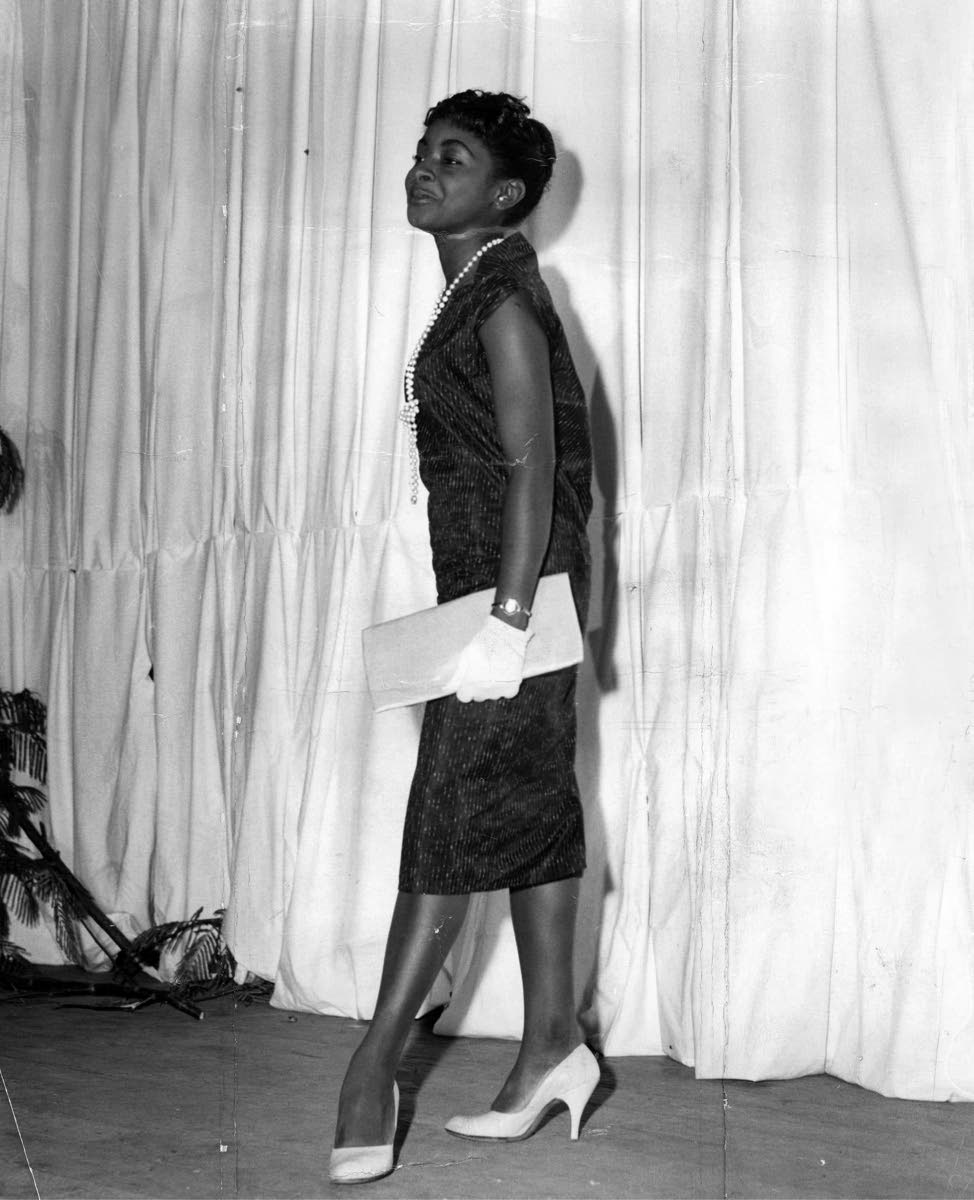 Pageants were popular in Mona. Here, a young UWI foreign languages student Daphne Adams before she was crowned Campus Queen. Photo - Contributed
-
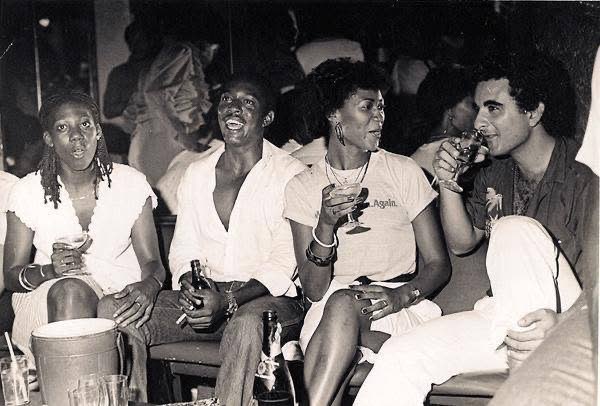 The large number of students turned the Mona area into the party capital of the east. Photo - Contributed
-
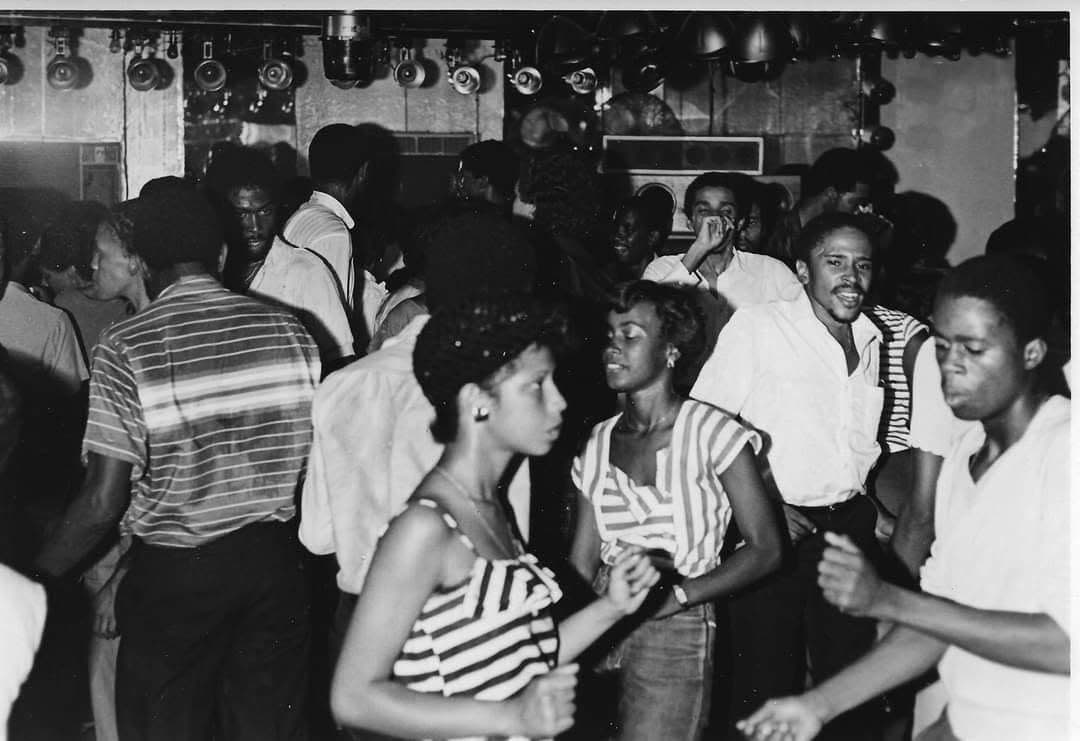 On the dance floor at the then popular nightclub Exodus. Photo - Contributed
-
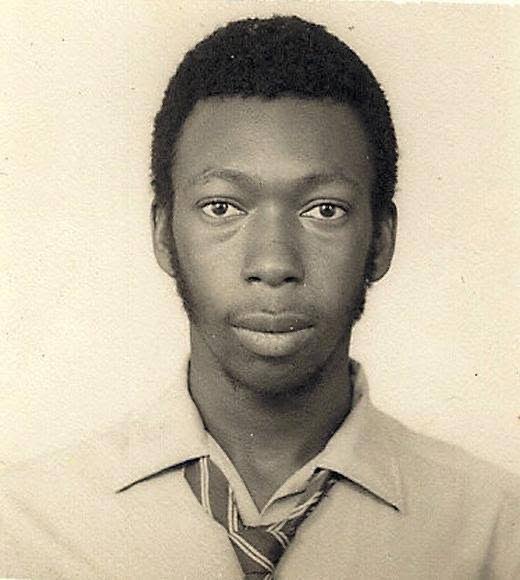 The author and former Mona Heights resident Dave Rodney, then a sixth former at Ardenne High School. Photo - Contributed
About two years ago, I drove through Mona Heights, a suburb of Kingston, and there was very little that I recognized in this community where I once lived in the 1970s.
The names of the streets remained the same: Orchid and Plumbago paths, Lily Way, Daisy Avenue, Petunia, Buttercup and Garden Boulevard. All botanical names. But the look and feel of this tropical garden, within walking distance of Hope Gardens and the Mona campus of the University of the West Indies, had changed. The many rows of identical single-family homes, with the helpers’ quarters at the back of each house converted to student accommodations, had now been renovated and upgraded into multi-storey dwellings and apartments. Each property had its own unique design, some now painted in loud island colours such as Belmont green, Ariguanabo orange, provocative pink and sky blue.
Early homeowners in the late 1950s reputedly paid around three-and-a-half thousand pounds (about $7,000) for homes that were solidly built by a Matalon company. No prelude, theatrics, lights or action, just durable houses. Three bedrooms, one bathroom, a kitchen, small dining room, carport and helpers’ quarters. Middle- and upper-middle-income buyers gobbled them up and, before long, a wide cross-section of professionals lived there: teachers, lawyers, doctors, judges, university lecturers, engineers and civil servants.
Each avenue had its fair share of prominent Jamaicans. Most people knew each other, and residents and their children lived harmoniously together in a crime-free community. A MODEL COMMUNITYIn a way, Mona Heights was a fine example of urban planning, for the homes had front gardens and backyards, as well as hurricane-proof concrete roofs built out of respect for the devastation caused by Hurricane Charlie in 1951. And, as if to turn dream houses into homes, there were several nearby schools and churches, plus a community centre with a playing field that offered dance and karate classes, a nearby hockey field, a cinema, a service station, shopping in Liguanea or Papine, and even an empty lot where learner drivers could practise.
The #22 JOS bus meandered through the area, taking students to St Hugh’s, Wolmer’s, Alpha, Kingston College and St George’s, while the #70 bus on the Old Hope Road side took students to Ardenne, St Andrew High, Priory School, Holy Childhood and connecting points beyond. The large number of Jamaica College boys who lived in Mona could walk to school and were denied the joyous thrill that came with commuting by bus in the 1970s.
With thousands of young people from CAST (now UTech) and UWI within striking distance of Mona, the area became the weekend party capital of Kingston, with Friday and Saturday night parties on every street. The fine art of crashing parties must have been perfected in Mona. There was a protocol. Those hosting the parties were very welcoming to everyone, including strangers. Dress respectfully, enter the home politely, greet your fellow revellers with a smile, and you’d be waved either to the kitchen or the backyard, where a pot of curry goat was simmering and a washpan of Red Stripe beer sat on ice. It was at those Mona parties that I learned to become a deejay, and that skill eventually took me to the hallowed halls of Motown Records and Atlantic Records. But that’s another story for another day.
By the time the party ended at 3 or 4 a.m., you would have had a blast, made new friends, and eaten to your heart’s and belly’s content. Neighbours were very tolerant of the late-night noise as long as you invited them over for a drink and a plate of curried goat. Sorry, jerk chicken hadn’t yet been invented, though the new KFC that opened on nearby Old Hope Road was an instant hit. A three-piece meal with fries, slaw and a roll cost $3.65.
Eventually, the young people in Mona graduated to nearby clubs, and Dizzy in Northside Plaza, Liguanea (later renamed Genesis, then Exodus), was the popular choice. The club was a see-and-be-seen fashion ramp for music industry luminaries, a crash pad for Air Jamaica hummingbirds and a barometer for anything that was hot. Back in UWI French class on a Monday morning, you’d think my classmates would be discussing the fierce rivalry between celebrity playwrights Pierre Corneille and Jean Racine from the 17th century. Not at all. The talk was about sightings of Bob Marley over the weekend, the alluring outfit Cindy was wearing, what new Third World records were being played at the club, and which couple vanished from the Students’ Union dance at UWI only to be spotted sheepishly leaving Chapel Gardens at sunrise.THE SCHOOL THAT HELPED SHAPE A COMMUNITY
One of the blessings for the residents of Mona was the establishment of Mona Prep School. The young institution provided excellent pre-high-school preparation at reasonable fees. Here’s a little about how the school got started. Two sisters, Evie Phillips and Mrs Vidal Smith, were both distinguished teachers at Ardenne. Mrs Vidal Smith taught music and was offered a scholarship to perfect her teaching skills in the UK before returning to Ardenne after her studies. As it happened, after returning from England, she started the school with the assistance of the United Church, and it became an instant success. The music programme became a standout in Kingston, and when young children were seen carrying violin cases, one knew they were Mona Prep students in their signature blue checkered uniforms.
I was a boarder from Savanna-la-Mar during high school. I remember some of the Mona families. Compton and Monica Rodney were my first hosts until they relocated to the faraway hills, too distant from Ardenne. My next stop, at 33 Carnation, was like an international club, as all the boarders spoke French and Spanish, a dream environment for my O-Level and A-Level years. They were from Colombia, Venezuela, the Dominican Republic and Haiti, and they all lived in Jamaica for a year to learn English at Durham College in the South Camp Road area. I took them to Ardenne every week, where the Spanish and French teachers warmly welcomed the cultural exchange.
Across the street from me was the Walter family, and Maria from UWI’s Language Lab lived in the side flat. Mrs Irene Walter worked in administration at UWI and was a pioneer of the CXC examinations at a time when nobody knew what CXC was. The always impeccably dressed Senator Fay Saunders, a former principal of St Andrew High School and a faithful disciple of modern mathematics, lived nearby too. Loads of friends resided nearby: Patti Bedasse (then McCalla); the Lewars, whose parents were educators from Ewarton; the Gatchairs from Manchester; the Simpsons from Westmoreland; the Pennicookes; Winsome Miller, who sang with the Jamaica Folk Singers; Justice Gayle and his wife on Daisy Avenue; Gladys Morgan, a lecturer at CAST on Aralia; the Lumsdens further up the street; and David and Cindy Ebanks.
I could never understand why Garth Lumsden made the daily pilgrimage to Kingston College when JC was only steps away across the street. Mona Heights was a real community, a tightly knit extended family. So proud were Mona residents of their community that the Miss Mona Heights pageant was staged annually to celebrate peace, love and a deep sense of belonging.
BACK GATE TO UWI
Many of my Mona years revolved around the UWI campus and, happily, classes were within walking distance of home. We often used what we called the back gate. It wasn’t really a gate but a turnstile that allowed students to enter while keeping out goats and cows. To reach it, you had to carefully cross a footbridge over the aqueduct. You exercised even greater care if it had rained, in which case the waters heading to the Mona Dam rose to dangerous levels. Early in the morning, around 8 a.m., as you crossed the open land to get to your faculty, you’d hear the corchie blow. It was a horn that sounded throughout the entire campus, announcing the start of the day. It blew again at about 4 p.m. to mark the end of the day for those fortunate enough to leave.
People said this horn was a relic of plantation days. Female students with late classes were apprehensive about using the back gate after dark, and some would wait until groups of young men were heading home so they could walk together. Part of the fear centred on the cows that roamed that side of the campus at night. Campus folklore claimed that if you wore red, the cows would chase you, and if your exam preparation was not complete before the yellow poui trees shed their blooms, you were doomed. And who knows? Maybe a rolling calf or two roamed the campus after dark, though the Zoology Department certainly wasn’t buying it.
END OF AN AGE OF INNOCENCEThen, one grim and gruesome night in 1976 or 1977, the quiet peace that Mona had enjoyed for many years was violently shattered by gunshots. A murder. A resident, George Davis, an executive at the General Penitentiary, was attacked in his bedroom on Spathodia and struck several times by bullets in front of his wife and two sons. He died in a pool of blood. People spoke about the tragedy for a long time, and it brought an end to the age of innocence in Mona and elsewhere, where polite, warm-hearted Jamaicans would welcome strangers into their homes.
Dave Rodney is a media marketing, TV and new-media specialist based in the New York area.