Sean Major-Campbell | Faith used in code
Loading article...
-
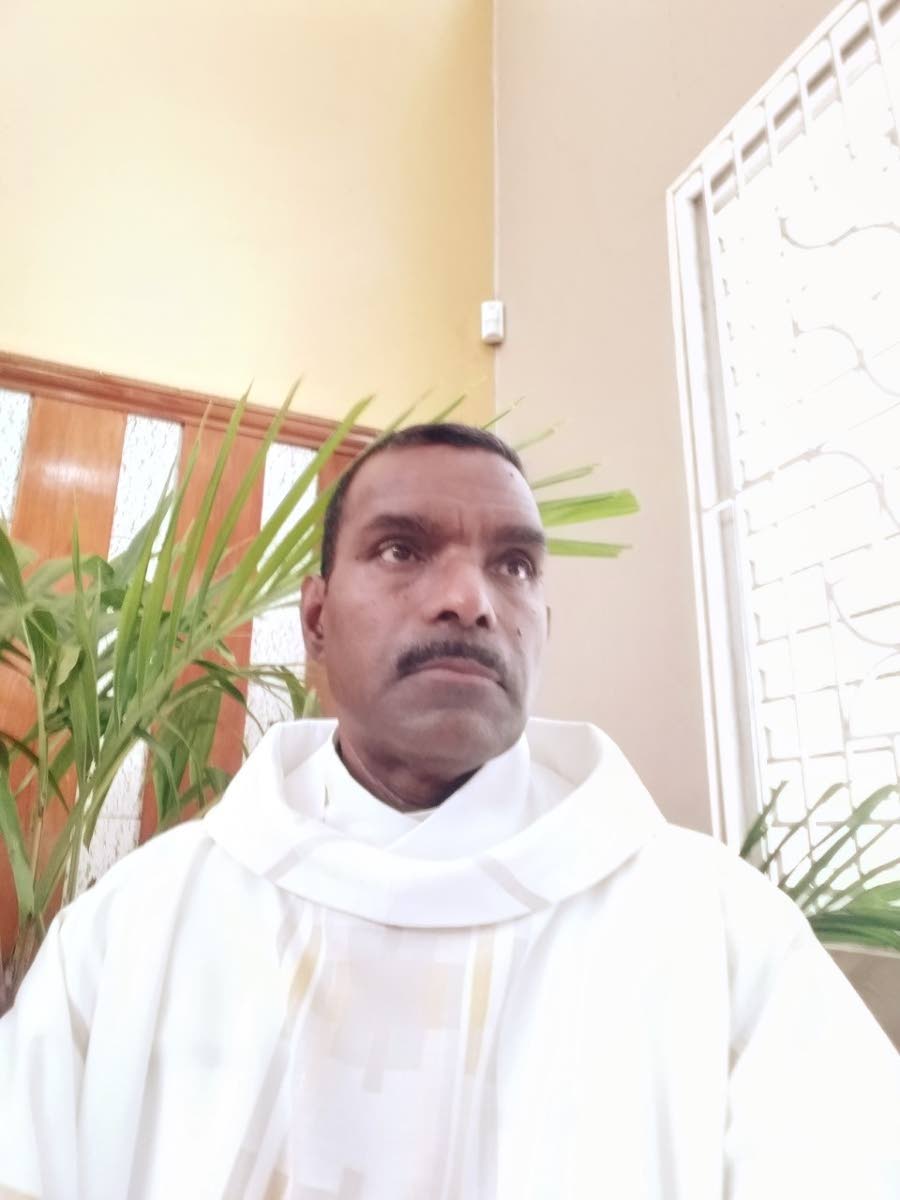 Major-Campbell. Photo - File
-
Major-Campbell. Photo - File
-
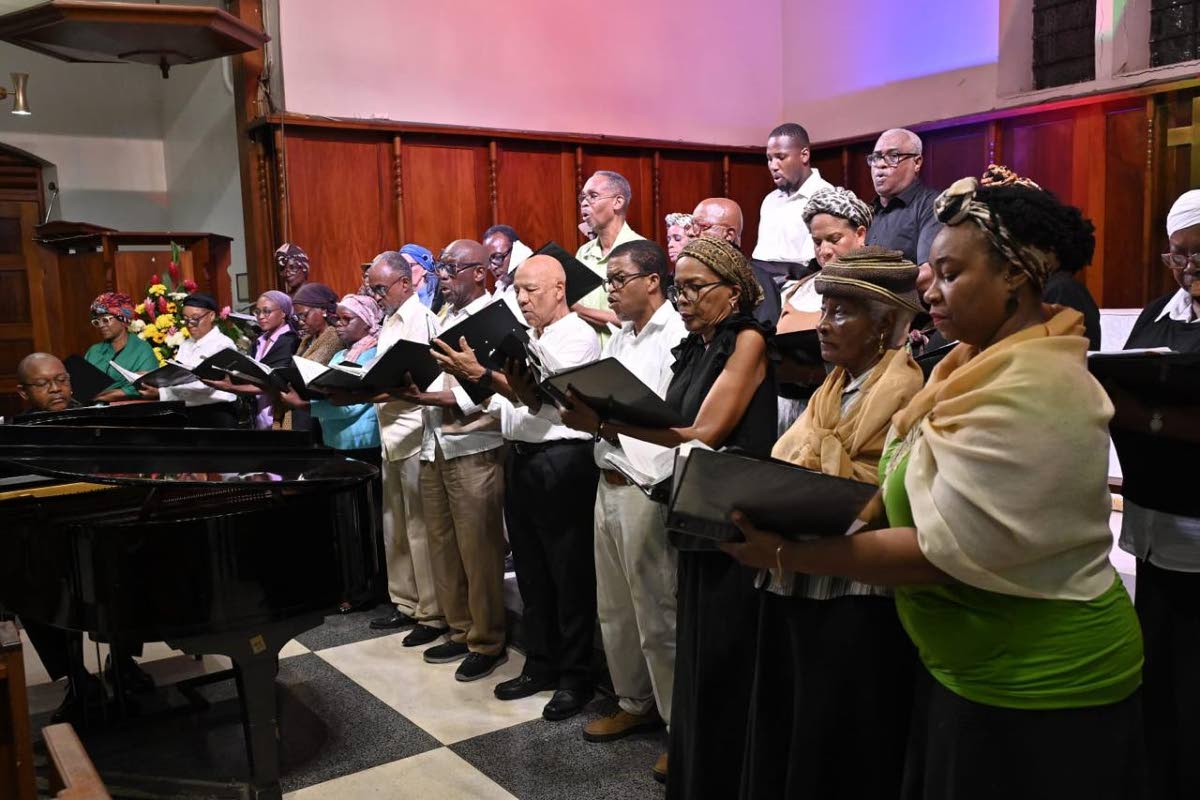 Photo - Contributed
-
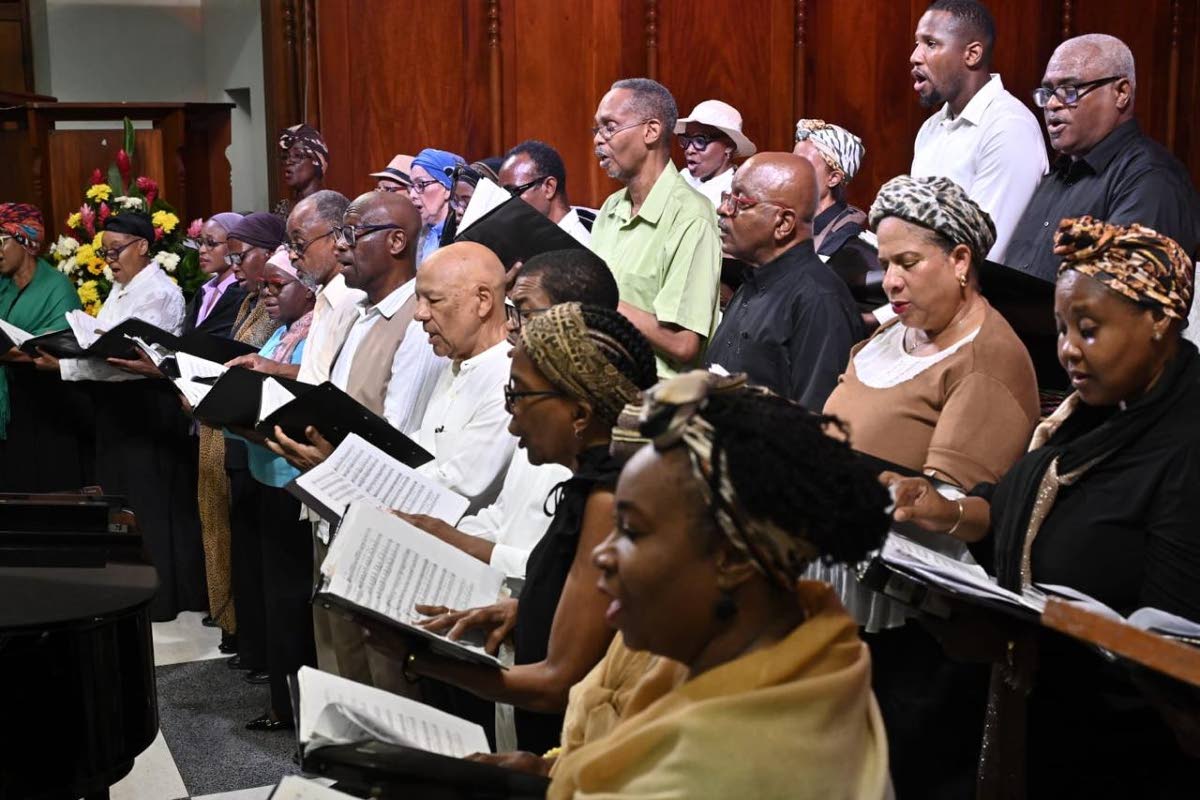 Photo - Contributed
Last Sunday, All Saints’ Day on the Christian calendar, saw the National Chorale of Jamaica (NCOJ) presenting its classical concert season at the University Chapel, UWI. This was held under the distinguished patronage of Sir Kenneth Hall, ON. GCMG, OJ, former governor general of Jamaica and the Most Hon Lady Rheima Hall. It was a rich celebration of Christian faith, African-American heritage, and a timely message of resilience for our times.
The NCOJ is known for its excellence with classics spanning Latin, German, Italian and various musical flair marked by much international appeal. However, this occasion was dedicated to songs of faith and freedom, a celebration of beloved Negro Spirituals. This was a reminder that religion has long marked the spiritual journey of enslaved Africans, the manumitted, and today’s descendants on the continued journey of becoming.
The Men’s Ensemble characterised by harmonic blending, did a soulful devotion with the time-honoured, Lord, I want to be a Christian, arranged by Eban Hutton. This African-American Negro Spiritual goes back to the 1750s when enslaved Africans prayed in song with a depth of solemnity and theological reflection. Each stanza begins with one of these lines: Lord, I want to be a Christian in my heart. Lord, I want to be more loving in my heart. Lord, I want to be more holy in my heart. Lord, I want to be like Jesus in my heart.
What a prayer! Just imagine if more of us prayed like this today. The spiritual reminds us to work out our own salvation with fear and trembling. It reminds us to look at self, pray for self, and yearn for a heart that is true within.
Then there was “ y Lord, what a morning arranged by H. T. Burleigh: My Lord, what a morning!
My Lord, what a morning!
Oh, my Lord, what a morning
When the stars begin to fall.
The discerning ear immediately recognises that this is an anticipation of judgment. Those living under oppression often find comfort in messages of judgment. Just like the context of Biblical apocalyptic literature, people under persecution took inspiration from an eschatology that pointed to a time of triumph for good over evil. No wonder the well-known Negro Spiritual, Go down Moses, is inspired by Moses’ answering God’s call to tell Pharaoh to let God’s people go. This is a biblical account that resonated with the ancestors, although the so-called Slave Bible would have omitted such texts.
greater appreciation
Singing in code with the biblical text helped the ancestors to convey the message of faith and hope that freedom would come. Many readers are familiar with the story of the Exodus. This familiarity with the biblical account makes for even greater appreciation of Harriet Tubman in the movie, They Called her Moses. You may find it helpful to listen to the song after the same title.
Although not presented in the evening’s offerings, Wade in the water was referenced by musical director and bass-baritone Michael Sutherland, who aptly noted the coded language employed by the enslaved. The song conveyed the message of travelling through the river since this would hide the scent of the enslaved as they escaped. They would be protected from the bloodhounds which were used to seek them out. Tracking dogs depended on scent trails on the ground. However, this ‘underground railroad’ was a sure way of missing the dog’s sharp sense of smell.
They had no WhatsApp or email or other social media. Just songs. They understood that “God’s gonna trouble the water.” The hidden code was that God would cover them. When they heard the verse saying, “See that band all dressed in white … the leader look like the Israelite” they knew that there were safe guides ahead who would lead them to the next safe spot.
Wade in the water was a call to depart from the dirt path and back into the water. The water became a kind of “Red Sea” that provided safe passage.
common thread
This classical concert was not a church service; but it sure was a call back to the roots and foundation of a Jamaica in which our people’s resilience and faith have inspired generations to humbly walk with God through the struggles.
My soul’s been anchored in the Lord, arranged by Moses Hogan, was yet another soulful mantra. It is such a declaration of the resilience of a people who continue to this day to live with the attendant consequences of the transatlantic slave trade and the omnipresent reality of geopolitical evils and the struggles of small nation states and minority groups. Many in post-colonial societies have risen above the colonised expression of church and claimed a black theology, a Caribbean theology, a poor-people theology that leans not on an imposed definition of God, but instead on a personal anchoring in the Lord.
Rastafarianism and Revivalism continue to witness to the Afro-Caribbean resolve to sing, pray, and hope from the language, heart, and soul of the people. Even traditional church hymnals such as that of the Anglican Church use songs from Bob Marley and Peter Tosh as we acknowledge the works of our prophets. To be clear, not all these genres are Negro Spirituals. However, they share a common thread of ancestral faith crying/praying for divine guidance and triumph in the vicissitudes of life. It is noteworthy that the performing arts in places like Jamaica do well to hold sacred space for history, culture, faith, and a people’s ongoing resilience in the face of life’s changing seasons.
Many readers will remember, Hush, somebody’s calling my name, arranged by Grotenhuis. It pointed to a deep awareness of Jesus’ calling the individual to freedom. And so, in our various situations today, may we continue to discern the still, small voice calling us to freedom within the divine will. On the local and international scenes, hush and listen to what God may be saying to us at this time!
Fr. Sean Major-Campbell is an Anglican priest and advocate for human rights and dignity. Please send feedback to columns@gleanerjm.com and seanmajorcampbell@gmail.com